
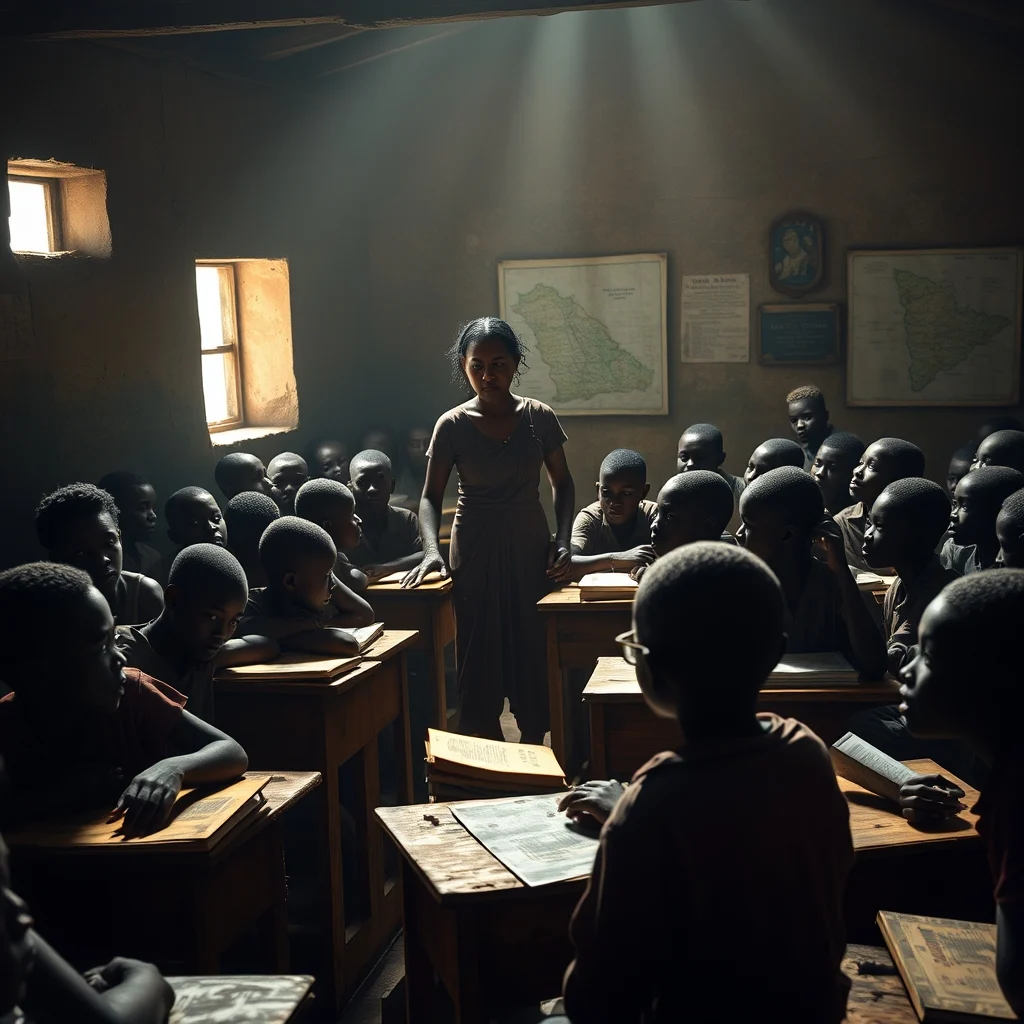
Right To Play Ghana has sounded the alarm over a critical shortage of teachers in the nation’s cocoa-growing regions, where some schools are reportedly operating with only three educators instead of the necessary nine. This severe deficit forces existing teachers into stressful multi-grade teaching, impacting student learning and overall educational quality. Stakeholders at the recent Annual National Learning Forum are urgently calling for the deployment of more teachers to combat attrition and ensure better educational outcomes.
Context: The My Life My Rights Project and its Goals
The alarming situation is being highlighted within the framework of the My Life My Rights project, now in its third year. This initiative, sponsored by Yonkopa Cocoa, aims to improve the protective environment for children in these vital agricultural communities. Its core objectives include enhancing quality education, strengthening child protection mechanisms, and promoting livelihood empowerment.
Julius Kwame Tsatsu, Project Manager for My Life My Rights, identified teacher attrition as a significant obstacle to keeping children in school. He emphasized that the project has made progress in child protection, establishing and training Child Protection Committees in 50 communities across the Ashanti and Ahafo regions. These committees, along with District Child Protection Committees, are equipped to handle and resolve cases locally, contributing to a reduction in the perpetration of harm as awareness grows.
The Strain of Multi-Grade Teaching
The core issue of teacher shortages leads directly to the practice of multi-grade teaching. In these scenarios, a single teacher is responsible for multiple classes, each with its own distinct curriculum and varying student abilities. This situation places an immense burden on educators, leading to stress, overload, and confusion.
“If teachers are engaging in multi-grading, one teacher is handling class one to class three, it affects the quality of teaching because the curriculum for each of the classes is different. There are different abilities, so putting more than one class together, a teacher himself will be too stressed, overloaded and confused,” explained Tsatsu.
This compromised teaching environment directly undermines the project’s goal of delivering quality education and keeping children engaged in their learning journey.
Calls for Increased Support and Resources
Beyond the immediate need for more teachers, stakeholders are advocating for broader support systems. Tsatsu specifically called for increased budgetary allocation and improved logistics for social workers in these underserved cocoa-growing areas.
“The second point is allocating adequate resources to our social workers, especially the Department of Social Welfare. National stakeholders should focus on budgetary allocations for adequate resources for these social workers to be able to follow up on cases and ensure that cases get proper closure,” he urged.
The Annual National Learning Forum, held under the theme










Leave a Reply