
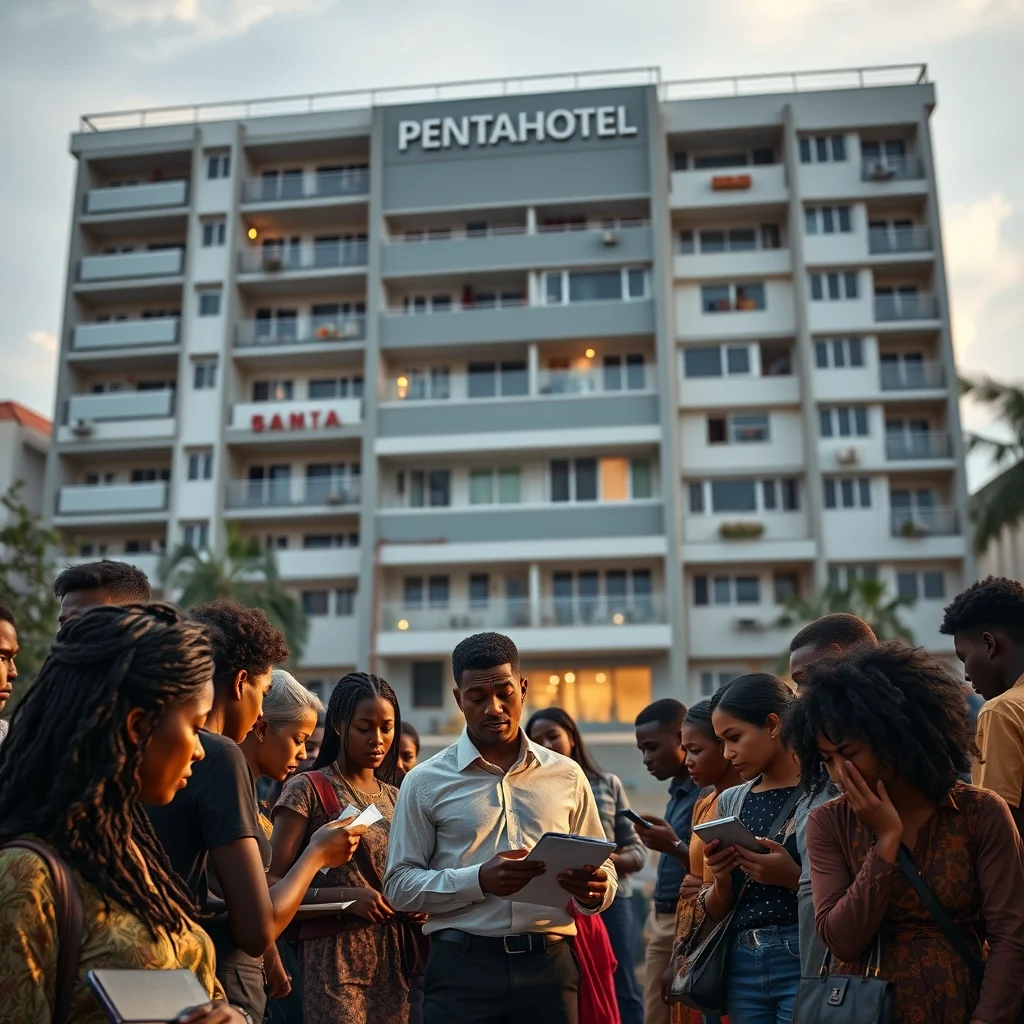
Accra, Ghana – The Acting Rent Commissioner, Fredrick Opoku, has strongly criticized the Social Security and National Insurance Trust (SSNIT) for what he terms ‘exorbitant’ and ‘unacceptable’ accommodation charges at Ghana Hostels Limited, commonly known as Pentagon Hostel, located at the University of Ghana. Opoku’s remarks, made on Hit FM, highlight growing public anger over the rising cost of student housing, which he argues places undue financial strain on families.
Context: The Pension Fund and Student Housing
SSNIT, a statutory trust responsible for managing workers’ pensions in Ghana, also operates or has interests in various commercial ventures, including student accommodation facilities. Pentagon Hostel, a significant student housing provider near the University of Ghana, is linked to SSNIT’s portfolio. Historically, student accommodation has been a crucial issue for tertiary institutions in Ghana, with demand often outstripping supply, leading to increased competition and, consequently, higher rental prices.
Alarming Price Discrepancies Revealed
Mr. Opoku expressed deep concern over the significant price disparities within Pentagon Hostel itself. He questioned the rationale behind charging different rates for rooms in the older versus newer blocks. Reports indicate that rooms accommodating four students in the older section of Pentagon Hostel are priced between GH¢6,000 and GH¢6,400 per semester.
In stark contrast, accommodation in the newer blocks is considerably more expensive. Opoku specifically cited single rooms equipped with air conditioning, with reported semester charges ranging from an astonishing GH¢20,000 to GH¢30,000. This vast difference raises questions about the cost basis and fairness of the pricing structure.
Commissioner Questions Affordability and Morality
The Acting Rent Commissioner did not mince words, directly questioning the justification for such high fees. “What is the meaning of this? Do they want students to go into prostitution just to pay for accommodation?” he rhetorically asked, underscoring the severity of the financial burden placed upon students and their parents.
Opoku emphasized that these charges come at a time when many families are already grappling with the escalating cost of living and other educational expenses. The pressure to secure affordable housing for university students is a perennial challenge, and these high fees exacerbate the problem.
Broader Implications for Student Welfare
The commissioner warned that the trend of increasingly unaffordable student accommodation around tertiary institutions could have serious negative consequences. Beyond the financial strain on families, it can impact students’ ability to focus on their studies, potentially leading to increased stress, mental health issues, and even affecting enrollment rates if education becomes prohibitively expensive.
These concerns echo a wider public discourse in Ghana regarding the affordability of essential services and the role of institutions like SSNIT in ensuring fair pricing, particularly when managing funds intended for workers’ retirement security. Critics argue that while commercial ventures can be profitable, they should not come at the expense of basic accessibility for students.
What to Watch Next
The public outcry and the strong stance taken by the Acting Rent Commissioner are likely to put SSNIT and its hostel management under intense scrutiny. Future developments will likely involve calls for greater transparency in pricing, potential regulatory interventions, and demands for SSNIT to review its accommodation fee structure. The affordability of student housing remains a critical issue, and how SSNIT responds to these criticisms could set a precedent for other institutions managing student accommodation in Ghana.










Leave a Reply