
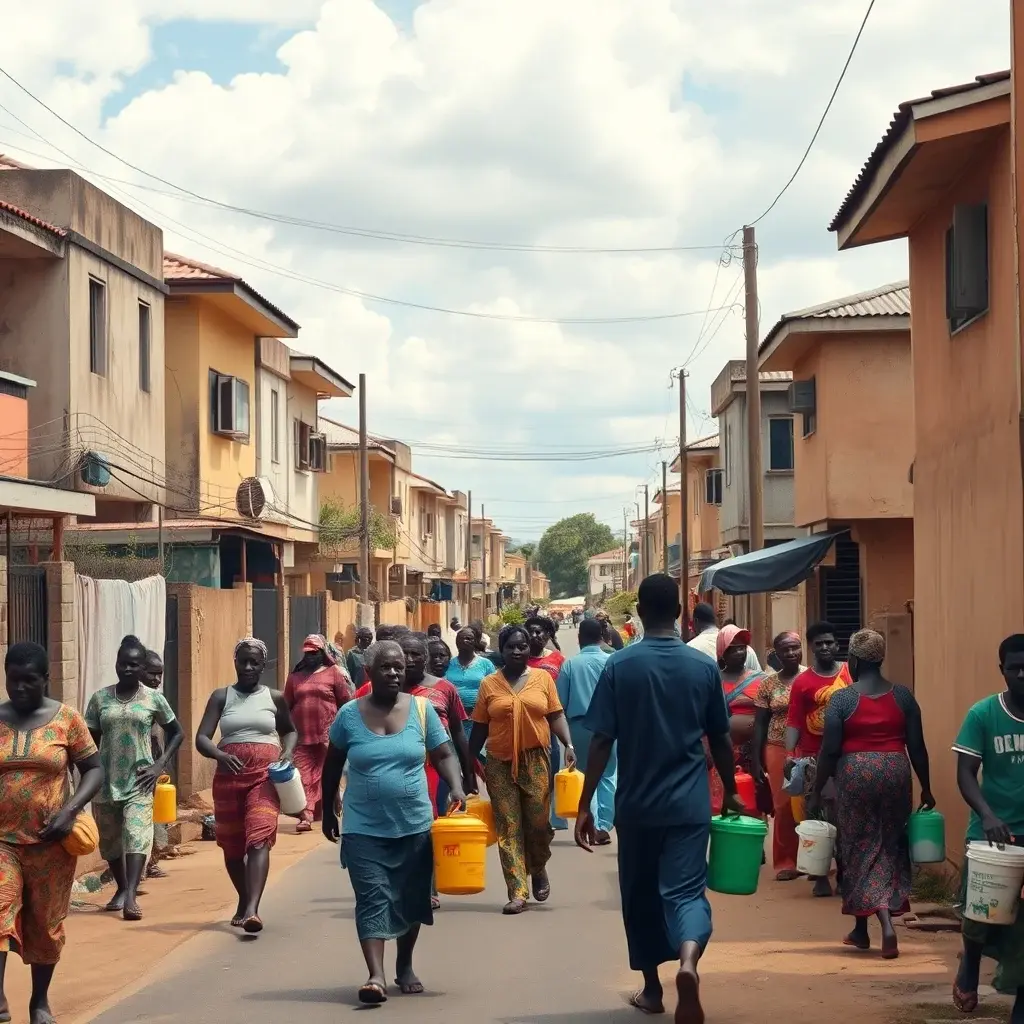
The Ghana Water Company Limited (GWCL) announced a significant disruption in water supply affecting numerous communities across western Accra on [Insert Date of Announcement]. The interruption stems from a technical fault at the critical Weija Water Treatment Plant, which has severely impacted the plant’s production and distribution capabilities.
Context of the Disruption
The Weija Water Treatment Plant is a vital source of potable water for a large segment of Accra’s population, particularly serving the western and some central areas of the capital. Its operational status is crucial for daily life, impacting households, businesses, and public services.
A technical challenge at such a facility can have widespread consequences, leading to immediate shortages, reduced water pressure, and extended periods without running water for residents. This situation places a considerable burden on affected communities, necessitating immediate attention from utility providers.
Impact on Western Accra Communities
The GWCL has identified a broad list of communities experiencing the brunt of this outage. These include Dansoman, Mamprobi, Mataheko, Laterbiokorshie, Korle-bu, La Paz, MacCarthy Hill, Gbawe, Mallam, Tesano, Darkuman, North Kaneshie, Dome, Achimota, Anyaa, and Ablekuma, along with their surrounding vicinities.
Residents in these areas are currently facing erratic water flow and significantly reduced pressure. The GWCL warns that these conditions will persist until the technical issues at the Weija plant are fully rectified.
Response and Mitigation Efforts
In response to the crisis, GWCL has deployed its engineering and technical teams to the Weija Water Treatment Plant. Their primary objective is to meticulously assess the nature of the technical fault and implement the necessary repairs to restore normal operations.
The company is working diligently to expedite the restoration process. Management has publicly expressed regret for the inconvenience caused to its customers and is urging for calm and cooperation during this period.
As a precautionary measure, GWCL is advising affected residents to store water whenever supply is available. This proactive step aims to help households manage the temporary shortage and ensure access to water for essential needs.
Expert Perspectives and Data
While the specific nature of the technical fault has not been detailed, such issues at water treatment plants can range from mechanical failures in pumps and filtration systems to electrical supply problems or issues with raw water intake. According to the World Health Organization (WHO), reliable water supply infrastructure is critical for public health, and disruptions can lead to increased risks of waterborne diseases.
The reliability of water infrastructure is a recurring challenge in many rapidly urbanizing areas. Reports from the Ghana Statistical Service often highlight the need for continuous investment in and maintenance of utility services to keep pace with population growth and demand.
Implications for Residents and the City
The disruption places a significant strain on the daily lives of thousands of Accra residents. Access to clean water is fundamental for hygiene, sanitation, cooking, and drinking. The lack of it can lead to increased health risks and economic hardship as individuals may need to purchase water from alternative, often more expensive, sources.
Businesses, particularly those in the hospitality and food service industries within the affected zones, may face operational challenges. Public institutions like hospitals and schools also rely on a consistent water supply, and any interruption could compromise their services.
This incident underscores the vulnerability of urban water systems and the critical need for robust maintenance schedules and contingency planning. The GWCL’s swift deployment of technical teams is a positive step, but the duration of the outage will be a key factor in its overall impact.
Looking Ahead
The immediate focus remains on the swift repair of the Weija Water Treatment Plant. Residents and businesses will be closely watching for updates on the restoration timeline. Beyond the immediate fix, this event may prompt a broader discussion about the resilience of Accra’s water infrastructure, the adequacy of maintenance budgets, and the implementation of backup systems to mitigate the impact of future technical failures. The GWCL’s ability to communicate effectively and manage public expectations throughout this period will also be crucial.










Leave a Reply