
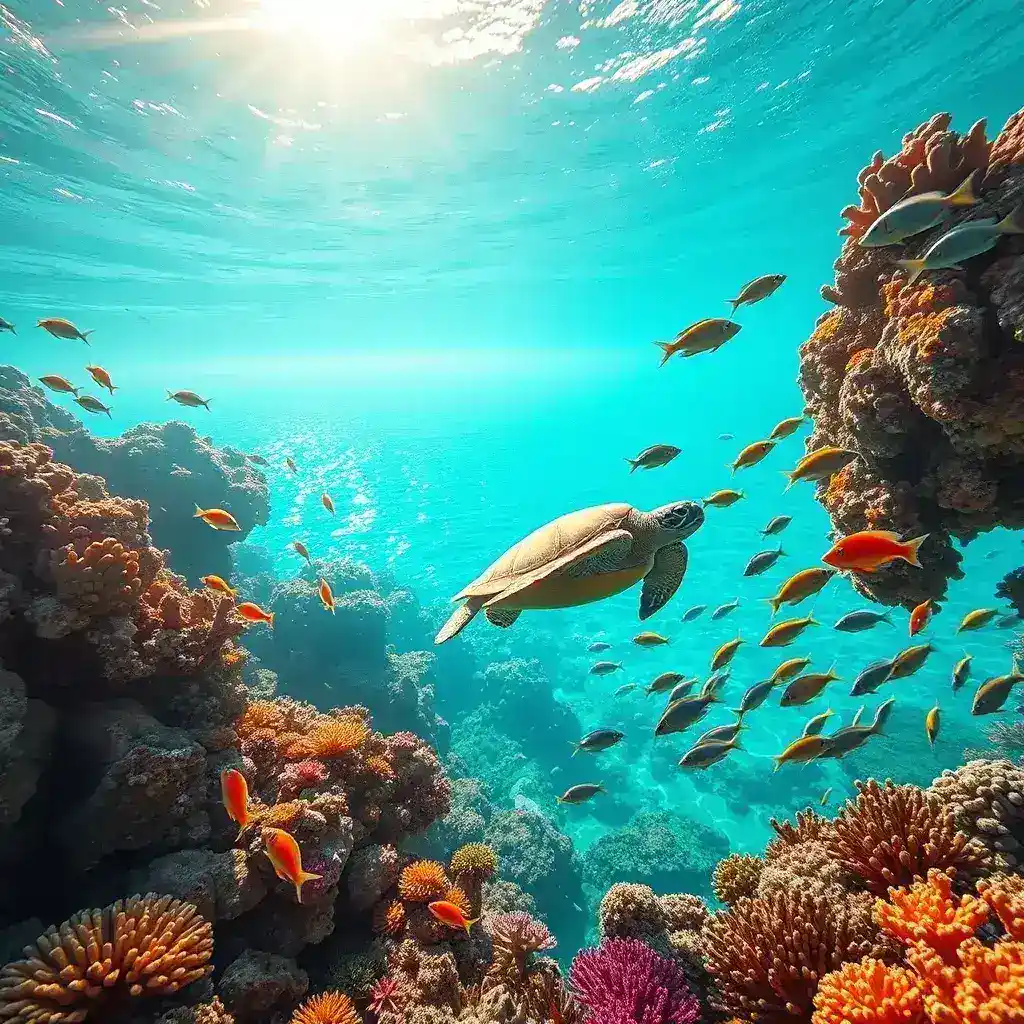
On June 8, 2026, World Oceans Day highlights the critical importance of Earth’s oceans, celebrating their value while confronting the escalating threats they face. Beyond separating continents and providing resources like fish and recreational spaces, the ocean acts as the planet’s life support system, regulating climate, driving global trade, sustaining billions of livelihoods, and serving as a crucial defense against climate change.
The Planet’s Life Support System
Covering over 70 percent of Earth’s surface and holding 97 percent of its water, the ocean performs essential functions vital for life. It is estimated to produce at least half of the oxygen humans breathe, primarily through photosynthesis by microscopic marine organisms called phytoplankton.
Simultaneously, the oceans absorb significant amounts of carbon dioxide from the atmosphere, a byproduct of human activities like transportation, industry, and energy production. This absorption significantly mitigates the severity of global warming.
Furthermore, the ocean dictates global weather patterns and rainfall systems, directly impacting agriculture, water availability, and overall ecosystem health. In essence, healthy oceans are fundamental to the existence of life as we know it.
Fighting Climate Change
The ocean’s most critical contemporary role is its contribution to slowing the impacts of climate change. Over the last century, oceans have absorbed approximately 90 percent of the excess heat generated by greenhouse gas emissions, preventing a more rapid rise in global temperatures.
They have also absorbed nearly a quarter of all human-generated carbon dioxide emissions. While this capacity has shielded the planet from some of the worst climate change effects, it comes at a considerable cost.
The absorption of excess heat is causing sea temperatures to rise, leading to stronger storms, altered rainfall patterns, and more frequent extreme weather events. Rising sea levels are already endangering coastal communities, infrastructure, and ecosystems worldwide.
Why Rising Ocean Temperatures Matter
The warming of the world’s oceans extends beyond environmental concerns, carrying direct economic and social consequences. Higher ocean temperatures disrupt marine ecosystems, alter fish migration routes, and threaten coral reefs, which are biodiversity hotspots supporting thousands of marine species.
Coral reefs, often called the rainforests of the sea, are experiencing unprecedented bleaching events due to elevated temperatures, according to scientific warnings. The decline in fish stocks and marine biodiversity jeopardizes food security, particularly in developing nations where fishing is a primary source of income and nutrition.
For coastal nations like Ghana, these changes pose serious risks to local economies and the livelihoods of its citizens.
The Ocean and the Global Economy
Beyond its environmental significance, the ocean is a major driver of economic activity. The global ocean economy generates trillions of dollars annually through sectors including fisheries, shipping, tourism, offshore energy, and maritime trade.
Over 80 percent of global trade by volume relies on maritime transport, underscoring the ocean’s indispensable role in international commerce. The United Nations reports that more than three billion people depend directly on marine and coastal resources for their livelihoods.
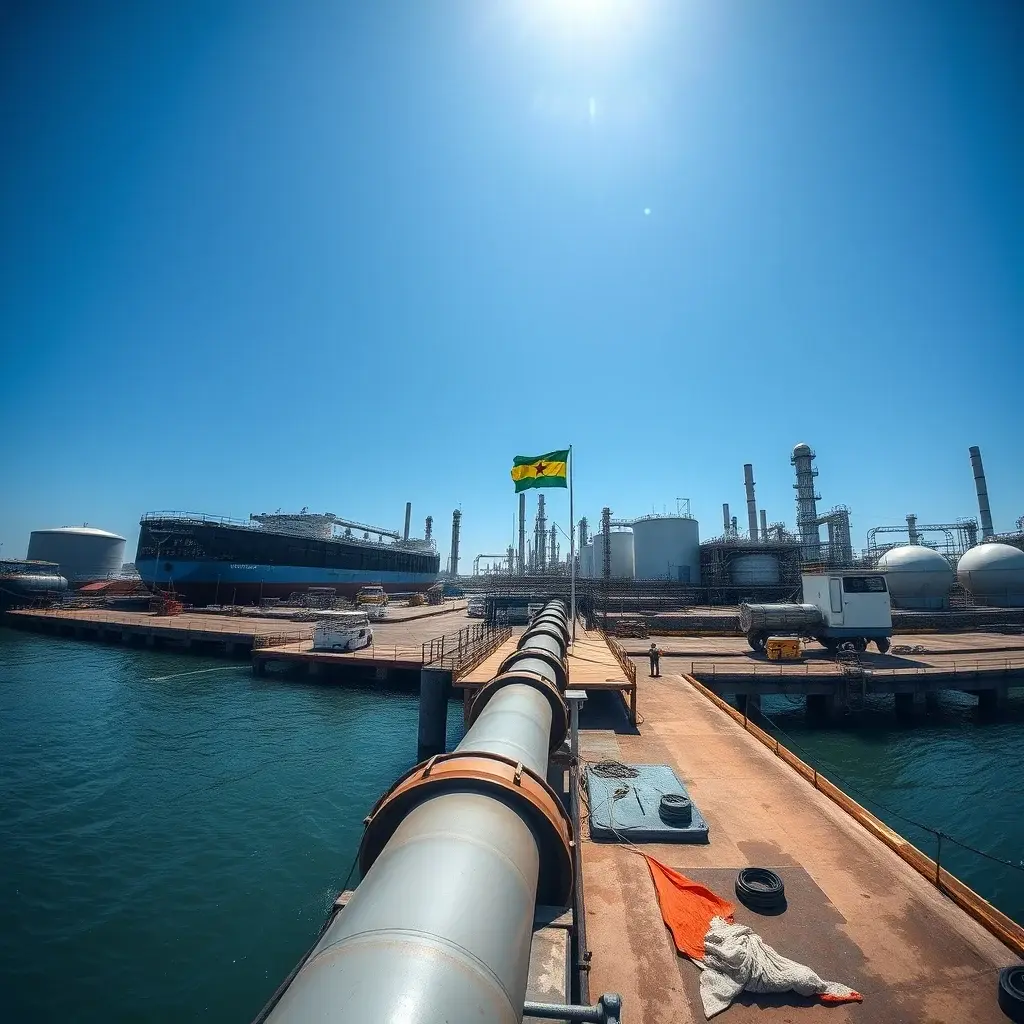
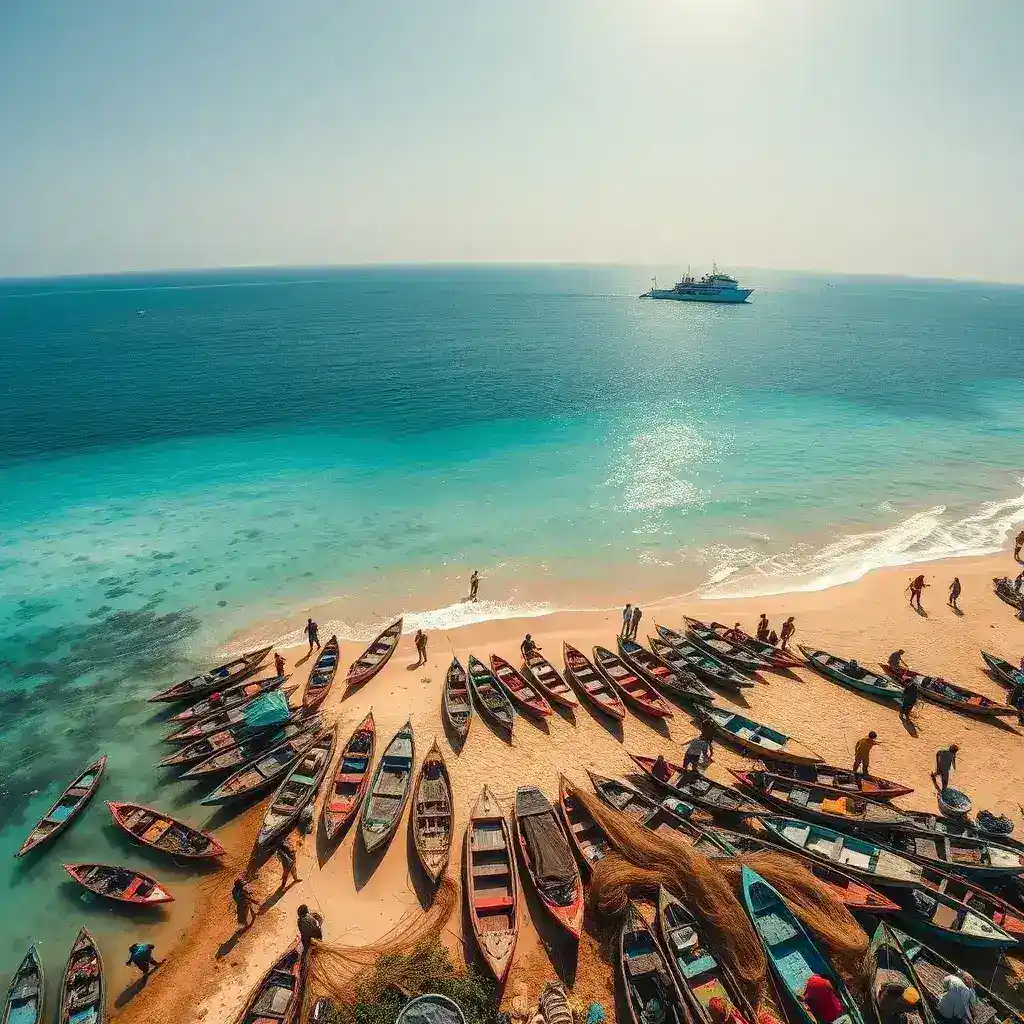
In Ghana, the ocean is equally vital. The nation’s fishing industry provides thousands of jobs and a crucial source of protein for millions. Major ports like Tema and Takoradi facilitate international trade, serving as key gateways for imports and exports. Coastal tourism also contributes significantly to local economic development.
The Growing Threat of Marine Pollution
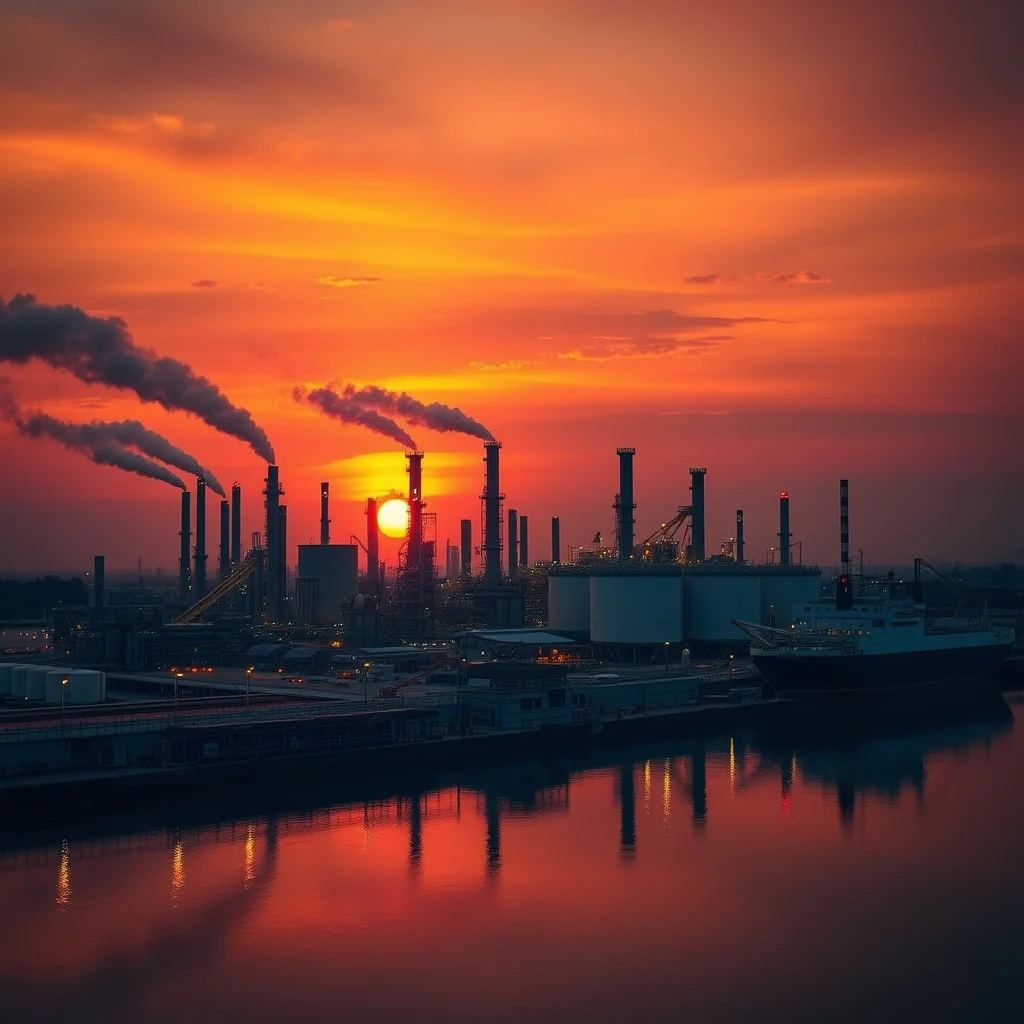
Despite its importance, the ocean faces increasing threats from human activities, with plastic pollution being a highly visible challenge. Millions of tons of plastic waste enter the oceans annually through rivers, drainage systems, and improper waste disposal.
Marine animals often mistake plastic for food, leading to injury, starvation, or death. Microplastics, resulting from the breakdown of larger plastic items, have been detected in fish, sea salt, drinking water, and even human bloodstreams.
This pollution not only harms marine life but also negatively impacts tourism, fisheries, and public health, posing growing problems for countries with existing waste management challenges.
Overfishing and the Pressure on Marine Resources
Overfishing remains a significant global concern, with many fish populations being depleted faster than they can naturally recover. Illegal, unreported, and unregulated fishing activities exacerbate this problem.
In West Africa, including Ghana, declining fish stocks have been a long-standing issue, impacting local fishing communities. Reduced fish populations lead to decreased household incomes, increased food prices, and greater vulnerability for coastal economies.
Adopting sustainable fishing practices and strengthening enforcement measures are increasingly recognized as essential for safeguarding future resources.
What World Oceans Day Means for Ghana
World Oceans Day serves as an important occasion for Ghana to reflect on its relationship with its marine environment. The country’s coastline supports significant economic activities, including fishing, shipping, tourism, and energy production.
However, coastal communities are increasingly threatened by erosion, flooding, pollution, and climate-related impacts. These challenges are expected to intensify as global temperatures continue to rise.
Environmental experts emphasize that protecting mangroves, improving waste management systems, reducing marine pollution, and enhancing coastal climate resilience must become national priorities for Ghana. The health of its oceans and coastal ecosystems is crucial for the nation’s long-term environmental and economic sustainability.
A Shared Responsibility
The overarching message of World Oceans Day is that ocean protection is a shared responsibility. Governments, businesses, communities, and individuals all play a role in reducing pollution, promoting sustainable resource management, and addressing climate change.
The decisions made today will shape the legacy for future generations, determining whether they inherit healthy oceans capable of sustaining life, livelihoods, and economic prosperity.
As the world observes World Oceans Day 2026, it is evident that the ocean is not merely a victim of climate change but one of humanity’s most powerful allies in combating it. Protecting our oceans is not optional; it is essential for the future of our planet.







Leave a Reply