

JoyNews’ flagship current affairs programme, Newsfile, is set to dissect two critical national issues this Saturday: a recent fire at the Akosombo GRIDCo substation that caused widespread power outages and the Bank of Ghana’s staggering GH¢15.6 billion loss in 2025. The discussions will explore the causes, responses, and far-reaching implications of these events for Ghana’s economic stability and energy security.
Akosombo Fire Disrupts National Power Supply
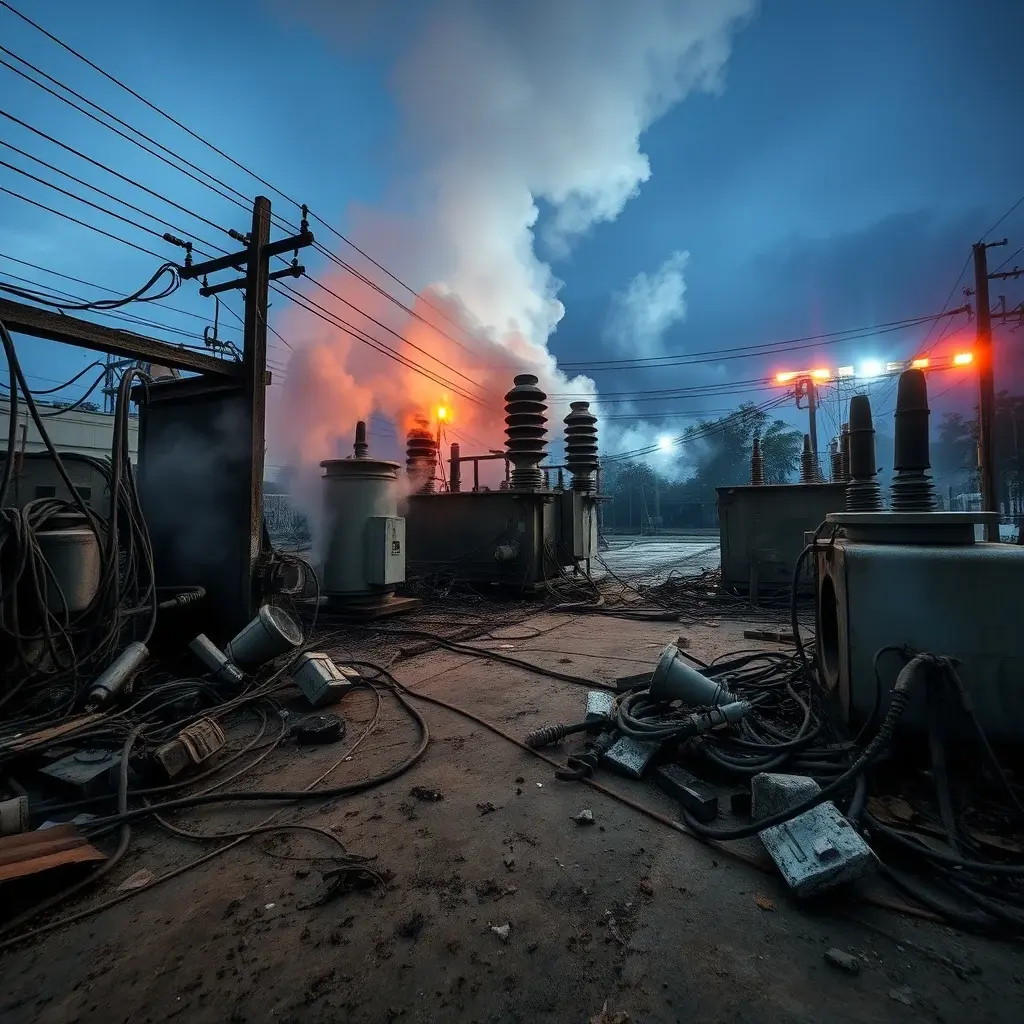
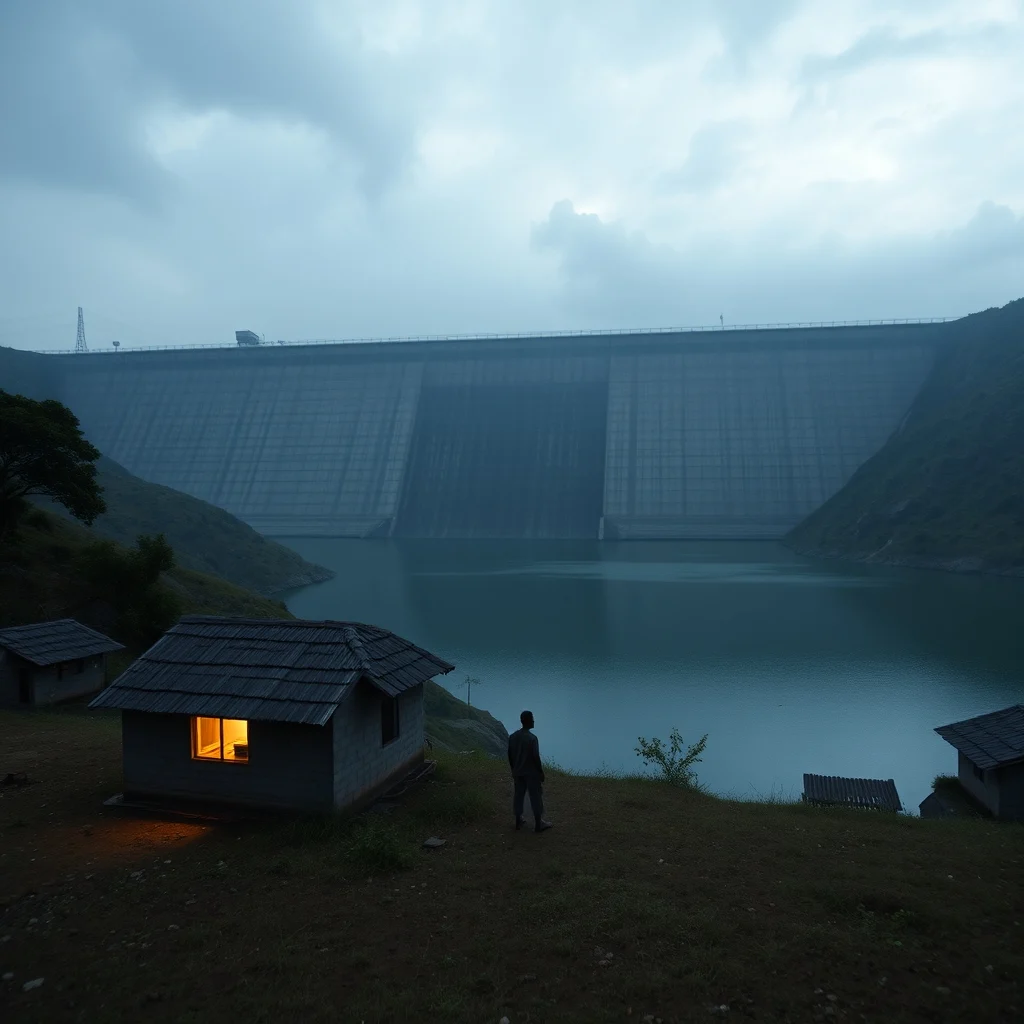
A significant fire incident at the Ghana Grid Company Limited (GRIDCo) substation near Akosombo has plunged much of Ghana into darkness, disrupting daily life and economic activities nationwide. The blaze severely impacted the Akosombo hydro system, a cornerstone of the country’s electricity generation, leading to a substantial loss of power supply.
Emergency services, including personnel from GRIDCo, the Volta River Authority (VRA), and other key power sector agencies, mobilized rapidly to address the crisis. Their efforts focused on phased restoration of power by rerouting electricity through alternative channels and undertaking urgent repairs to the damaged infrastructure.
Initial restoration efforts saw several generating units brought back online within days, alleviating immediate pressure on the national grid. By April 29, a significant portion of the lost power generation capacity had been recovered. Authorities confirmed full restoration of all Akosombo generating units and stabilization of national power supply by May 1, 2026.
While investigations into the precise cause of the fire are ongoing, the long-term repair work on the affected substation is expected to continue for several months. Officials have highlighted the swift recovery as a testament to enhanced coordination and resilience within Ghana’s power sector, though the incident has also ignited a debate about potential systemic vulnerabilities.
Bank of Ghana Records Unprecedented GH¢15.6 Billion Loss
Parallel to the energy sector crisis, the Bank of Ghana (BoG) has reported a substantial financial loss of GH¢15.6 billion for the 2025 fiscal year. This figure represents a significant increase compared to the previous year’s losses and has drawn considerable public and expert attention.
The central bank attributes this loss to a combination of factors, including aggressive monetary policy measures aimed at curbing inflation, substantial foreign exchange revaluation losses, and accounting adjustments related to its management of gold reserves and foreign currency holdings.
While some financial analysts and economists view these losses as an unavoidable consequence of necessary economic stabilization efforts, others have voiced concerns regarding the long-term sustainability of the central bank’s financial health and the potential impact on its balance sheet. The discussion on Newsfile will delve into the intricacies of these financial challenges and the policy decisions underpinning them.
Broader Implications and Expert Analysis
Newsfile’s comprehensive analysis will aim to untangle the complexities surrounding both the Akosombo power disruption and the BoG’s financial performance. The program will feature expert insights and data-driven perspectives to shed light on the root causes of these challenges.
The conversations are expected to scrutinize the effectiveness of the response mechanisms in the power sector and evaluate the strategic decisions that led to the central bank’s significant financial deficit. The program will seek to understand whether these events represent isolated incidents or indicators of deeper systemic issues within Ghana’s critical infrastructure and financial management frameworks.
Looking Ahead
The discussions on Newsfile will not only provide a detailed breakdown of the current situation but also explore the potential long-term implications for Ghana’s economic trajectory and energy independence. Viewers and listeners can anticipate a rigorous examination of policy effectiveness and recommendations for future resilience and stability. The focus will be on what these developments mean for the average Ghanaian and the nation’s developmental goals, as well as what critical steps need to be taken to prevent future occurrences.





Leave a Reply