

Accra, Ghana – Speaker of Ghana’s Parliament, Alban Bagbin, has issued a strong call to African nations to resist external pressures seeking to alter domestic laws and cultural norms, particularly concerning family values. Speaking at the opening of the Fourth African Inter-Parliamentary Conference on Family, Sovereignty and Values in Accra, Mr. Bagbin asserted that African countries must retain the autonomy to define their own social frameworks, arguing that conditioning international aid on the adoption of foreign standards infringes upon national sovereignty.
Context of External Pressures
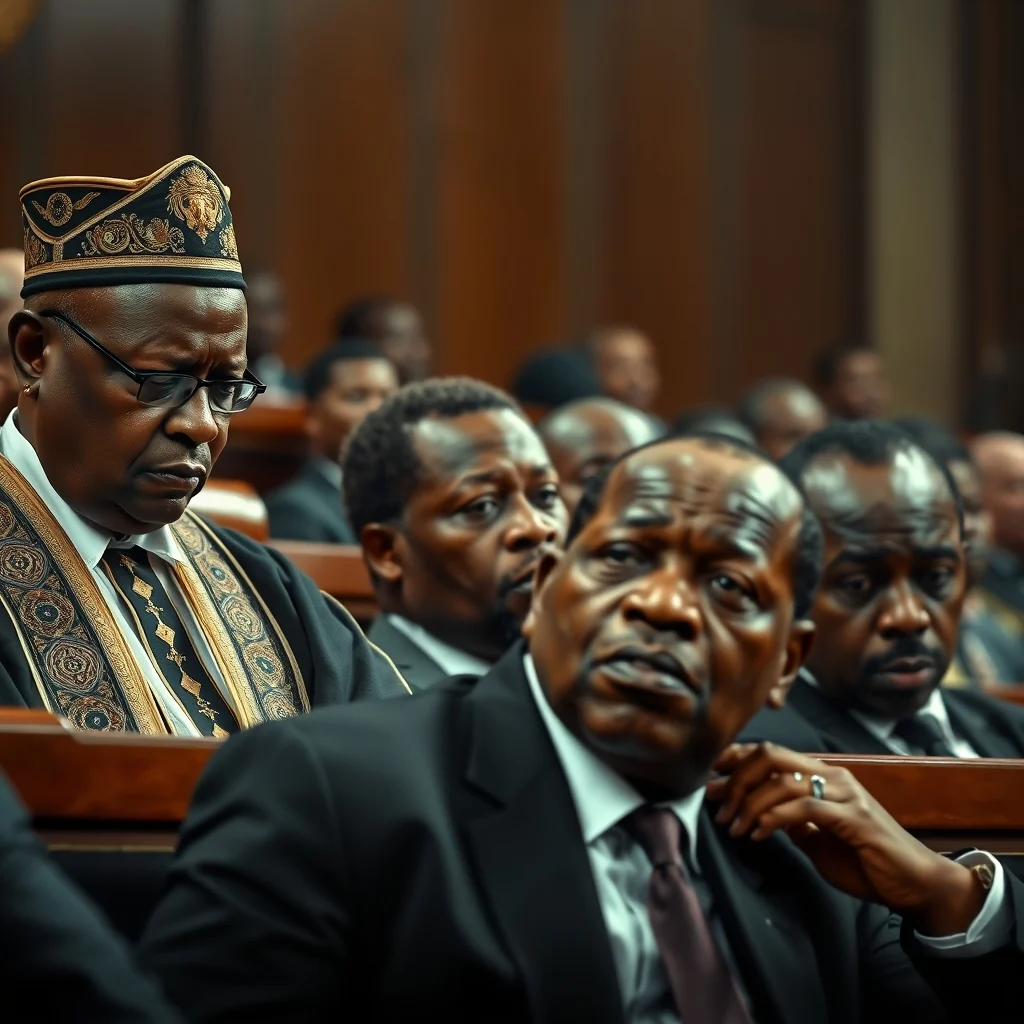
The conference, held in Ghana’s parliamentary debating chamber, brings together parliamentary leaders from across the continent. It convenes amid escalating debates surrounding family values, national sovereignty, and the increasing scrutiny of LGBTQ-related legislation in various African nations.
Mr. Bagbin articulated a significant concern shared by many African leaders: the practice of linking development assistance and international support to the adoption of legal and cultural paradigms that are alien to the continent’s socio-cultural fabric. He emphasized that such conditions undermine the fundamental principles of state sovereignty.
Sovereignty and International Aid
The Speaker directly challenged the practice of conditioning aid, stating, “Conditioning aid on the alteration of domestic laws to the advantage of beneficiary countries violates the principle of sovereign equality enshrined in the United Nations Charter.” This highlights a growing sentiment that international financial and developmental aid should not come with strings attached that dictate internal policy or cultural direction.
Bagbin stressed a principle of reciprocity in international relations. African nations, he argued, do not seek to impose their legal systems or cultural values on other regions. Therefore, he expects the same level of respect for their own sovereignty and internal affairs in return.
Modernization vs. Cultural Identity
A key theme resonating throughout the conference is the rejection of the notion that modernization necessitates the abandonment of distinct cultural identities. Mr. Bagbin urged delegates to “reject the false premise that modernization requires the erasure of our cultural identity.” This call aims to foster a development model that is both progressive and culturally grounded.
He further critiqued what he described as narrow, Western-centric definitions of the family. Bagbin contrasted these with the more expansive and community-oriented nature of African family structures. “The Western concept of the nuclear family — isolated, individualistic, lonely and strictly bounded — fails to capture the expansive, resilient and self-sustaining genius of the African family,” he stated, advocating for recognition and preservation of diverse family models.
Recent Legislative Developments
The conference’s timing is particularly significant, occurring just days after Ghana’s Parliament passed the Human Sexual Rights and Family Values Bill. This legislation has sparked considerable debate both within Ghana and on the international stage, underscoring the very issues being discussed at the inter-parliamentary meeting.
Conference Objectives and Future Outlook
Organizers of the conference state that discussions will focus on concrete measures to protect and promote family values, enhance parliamentary cooperation among African nations, and advance policies that genuinely reflect Africa’s unique cultural and social realities. The event is scheduled to continue throughout the week, with participants expected to deliberate on strategies for collective action and mutual support in asserting continental autonomy.
The implications of this conference extend beyond the immediate legislative debates. It signals a potentially unified stance by African parliaments to safeguard their sovereign right to self-determination in shaping their societies, challenging external influences that seek to impose specific value systems. What remains to be seen is how this collective resolve translates into tangible policy shifts and sustained diplomatic engagement on the global stage, particularly in navigating the complex relationship between development aid, human rights discourse, and national sovereignty.




Leave a Reply