
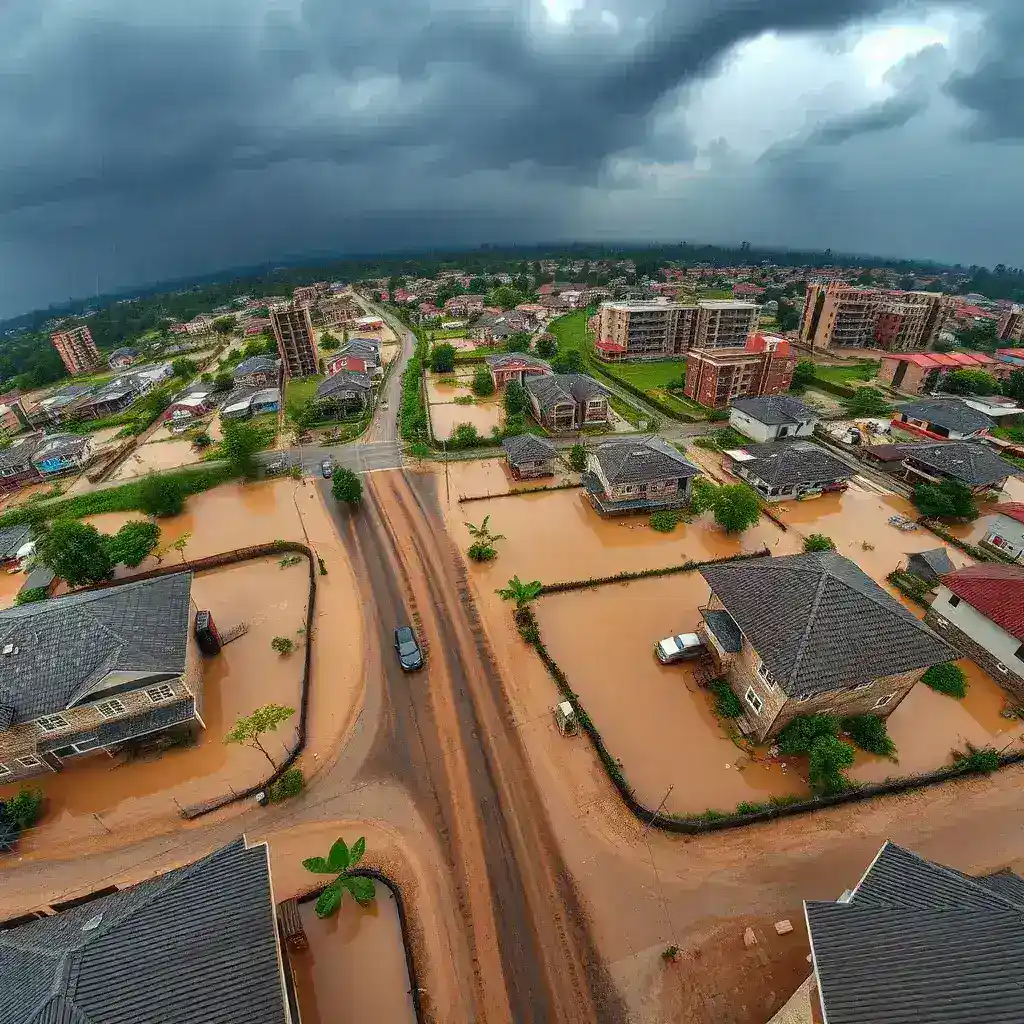
Accra is grappling with a worsening flood crisis that has expanded beyond historically vulnerable zones, submerging newly developed residential areas and raising urgent questions about the sustainability of the capital’s rapid urban expansion. This shift, observed in recent years, sees previously considered safe neighborhoods inundated after heavy rainfall, prompting investigations into the multifaceted causes.
The escalating floods in Accra are not merely a consequence of intense weather events; they highlight a complex interplay of factors including unchecked urban development, inadequate planning, the encroachment on vital natural drainage systems like wetlands, and insufficient drainage infrastructure. The JoyNews Probe has been examining why communities once thought secure are now increasingly susceptible to inundation.
Shifting Flood Patterns and Emerging Vulnerabilities
Traditionally, flooding in Accra has been concentrated in low-lying areas and along natural waterways. However, recent seasons have witnessed an alarming trend of water levels rising in newly established estates and residential communities, areas that were not previously on flood maps. This expansion of vulnerability signifies a critical failure in anticipating and mitigating the impacts of development on the city’s hydrology.
Homeowners, commuters, and businesses in these developing neighborhoods are now facing recurring disruptions and property damage. The visual of submerged roads and homes in areas that are supposed to represent modern urban living is stark and concerning.
Investigating the Root Causes
Several potential factors are being scrutinized by experts and urban planners. Rapid, often unregulated, urban expansion is a primary suspect, with development frequently occurring without comprehensive environmental impact assessments or adherence to strict building codes. This can lead to the sealing of permeable surfaces and the alteration of natural water flow patterns.
Encroachment on wetlands and natural drainage channels is another significant contributor. These natural areas act as sponges, absorbing excess water. When they are filled in for construction or polluted, their capacity to manage rainwater is severely diminished, forcing water to spread into developed areas.
Furthermore, the existing drainage infrastructure in many parts of Accra, particularly in older sections and newly developed areas, is often inadequate to handle the volume of water during intense rainfall events. Clogged drains due to solid waste mismanagement exacerbate the problem, turning streets into rivers.
Expert Perspectives and Data
Urban planning experts have voiced concerns over the pace of development outpacing infrastructural capacity. Dr. Esther Nkansah, a senior lecturer in Urban Planning at the University of Ghana, stated, “The city’s growth is outpacing our ability to manage its environmental consequences. We are building on floodplains and wetlands, ignoring the fundamental principles of sustainable urban design.”
Data from the Ghana Meteorological Agency indicates an increase in the intensity of rainfall events over the past decade, a trend consistent with broader climate change projections. While natural variability exists, the impact of these intense downpours is amplified by the urban landscape’s reduced capacity to absorb them.
Implications for Accra’s Future
The implications of this expanding flood crisis are far-reaching. For residents, it means increased risk to life and property, potential displacement, and significant economic losses due to damage and business interruption. The psychological toll of living under constant threat of flooding is also considerable.
For the city’s administration, it presents a monumental challenge in terms of disaster preparedness, urban planning reform, and infrastructure investment. Retrofitting existing areas and ensuring new developments are flood-resilient will require substantial resources and political will.
The sustainability of Accra’s urban development model is now in question. The current trajectory, characterized by rapid expansion without adequate environmental safeguards and infrastructure, is proving to be untenable. The repeated flooding of new estates serves as a critical warning.
What to Watch Next
The focus will likely shift towards the implementation of stricter urban planning regulations, increased investment in modern drainage systems, and public awareness campaigns on waste management. Communities and developers will need to adopt more resilient building practices. The effectiveness of these measures in preventing future inundation in Accra’s expanding urban footprint remains to be seen, but the urgency of the situation demands immediate and decisive action.










Leave a Reply