
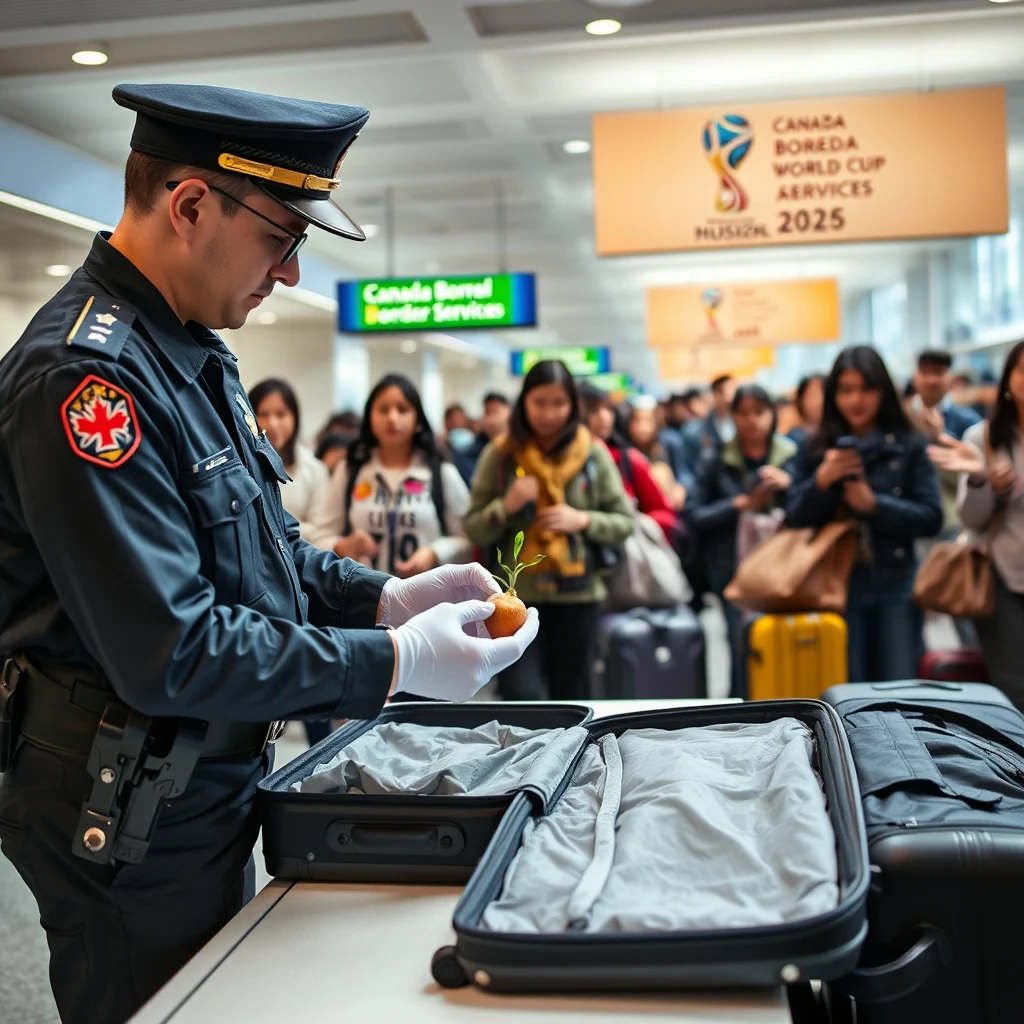
Canada is implementing strict regulations on food, plant, and animal product imports for travellers attending the FIFA World Cup 2026, as announced by the Canadian Food Inspection Agency (CFIA) on May 22. This measure aims to manage increased international arrivals and safeguard national biosecurity throughout the tournament, which runs from June 11 to July 19, 2026, and is co-hosted by Canada, Mexico, and the United States.
Biosecurity Safeguards Ahead of Global Event
With millions of football fans expected to visit Canada, authorities are emphasizing that existing stringent rules for bringing goods across the border will be rigorously enforced. The CFIA has specifically warned that certain food items, including meat, dairy, and fresh fruits and vegetables, are prohibited for personal use. These restrictions are a proactive measure to prevent the introduction and spread of plant pests and animal diseases that could jeopardize Canada’s agricultural sector and natural ecosystems.
Enforcement and Traveller Guidance
Travellers arriving at Canadian ports of entry with prohibited items will face confiscation and disposal of those goods. Officials caution that non-compliance can lead to delays and enhanced inspection procedures at the border. To ensure a smooth entry experience, prospective visitors are strongly advised to consult official CFIA guidelines on import requirements well in advance of their travel dates.
Familiarizing oneself with the list of permitted and restricted items is crucial for all attendees. The CFIA stresses that adherence to these biosecurity regulations is vital not only for individual travellers but also for the protection of Canada’s food supply and its significant agricultural economy.
Broader Preparations for a Major Sporting Event
This advisory is part of a comprehensive strategy to prepare for one of the world’s largest sporting events, which is anticipated to drive a substantial increase in international visitors across North America. Despite the celebratory atmosphere surrounding the World Cup, Canadian border authorities have affirmed that controls will remain strict, requiring full compliance from all visitors.
The High Commission echoes this sentiment, urging all fans to comply with regulations to facilitate a hassle-free entry process. The CFIA continues to provide resources and information to help travellers navigate these requirements effectively.
What to Watch Next
As the FIFA World Cup 2026 draws nearer, travellers should anticipate further updates and potentially more detailed information regarding specific border procedures and any adjustments to import regulations. The focus on biosecurity highlights a growing trend in international travel where safeguarding national health and agricultural interests is becoming increasingly integrated into large-scale event planning. The success of these measures will likely influence future border control strategies for major international gatherings in Canada and beyond.









Leave a Reply