
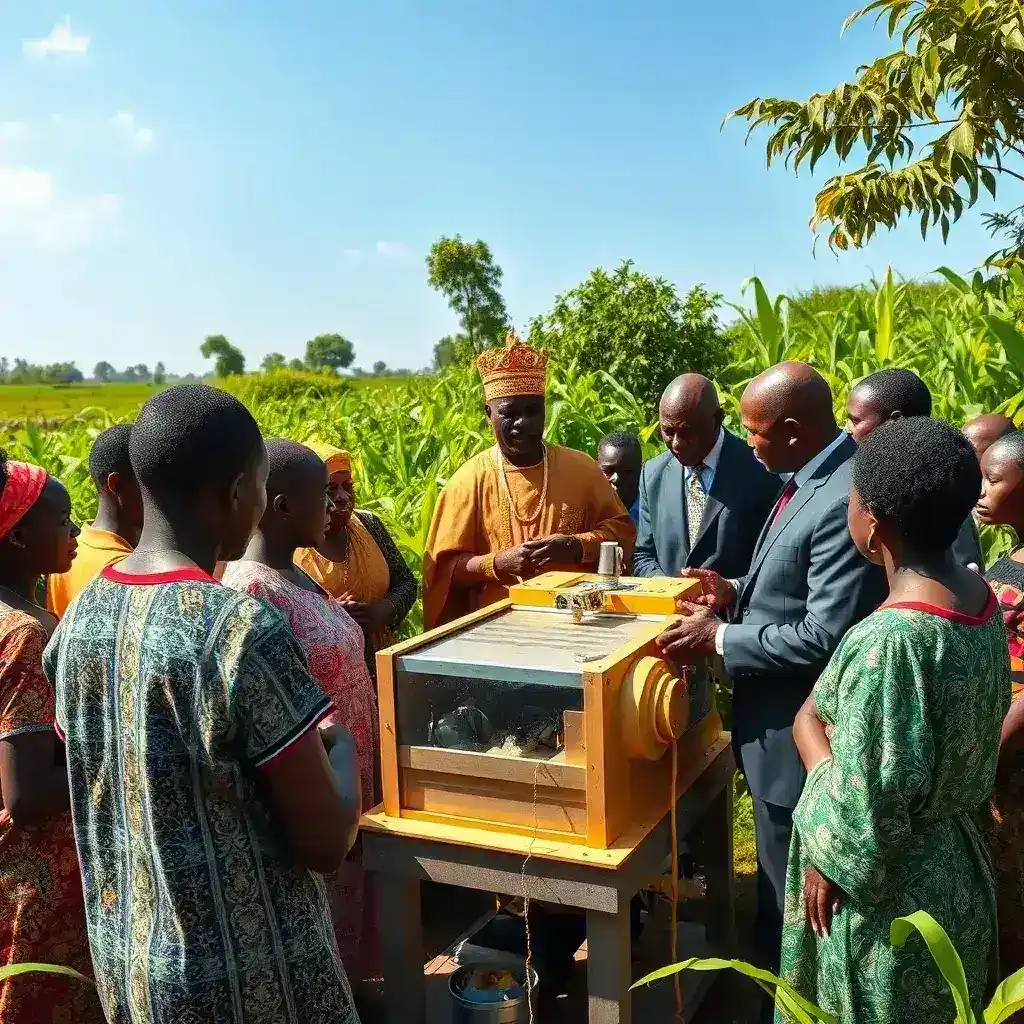
Accra, Ghana – On Monday, June 8, the Minister for Lands and Natural Resources, Emmanuel Armah-Kofi Buah, officially launched the first Cooperative Mining Scheme in Akyem Kotoku, Eastern Region. This initiative aims to transform Ghana’s small-scale mining sector by promoting responsible, sustainable, and community-driven practices, marking a significant step towards tackling illegal mining and environmental degradation.
Context: The Challenge of Small-Scale Mining
Small-scale mining, while a vital source of livelihood for many Ghanaians, has often been associated with environmental damage, including deforestation, water pollution, and land degradation. Illegal mining activities, in particular, have exacerbated these issues, posing a threat to natural resources and public health. The government has long sought strategies to formalize and regulate this sector, balancing economic benefits with environmental protection.
Government’s Five-Pillar Strategy
Minister Buah outlined the government’s comprehensive five-pillar strategy designed to address the challenges within the mining sector. This strategy includes strengthening engagement with all stakeholders, enhancing law enforcement capabilities, implementing crucial regulatory reforms, focusing on the reclamation of degraded lands and water bodies, and creating viable alternative livelihood opportunities for affected communities.
These measures are deemed essential for improving water quality, which has seen increased turbidity, and for restoring Ghana’s vital forest reserves. The ultimate goal is to safeguard the environment for future generations while ensuring the mining sector contributes positively to the economy.
Akyem Kotoku Cooperative: A Pilot Project
The Akyem Kotoku Cooperative Mining Scheme has been selected as the inaugural beneficiary of the innovative Gold Katcha machine. This technology is designed to significantly increase gold recovery rates during processing, thereby reducing waste and maximizing the economic returns for miners. Crucially, it also helps minimize the environmental impact associated with traditional processing methods.
The Responsible Cooperative Mining and Skills Development Programme (rCOMSDEP) has played a key role in this launch, organizing essential training for miners. Ms. Ama Mawuenyefia, the National Coordinator for rCOMSDEP, emphasized that the programme reflects a deep commitment to responsible, sustainable, and community-centred mining. The scheme is specifically designed to generate economic opportunities for the local population while upholding principles of environmental stewardship and accountability.
Community and Traditional Support
The initiative has garnered strong support from local leaders. Oseadeeyo Dr. Frimpong Manso IV, the Omanhene of the Akyem Kotoku Traditional Area, expressed his gratitude to the government for this visionary project. He highlighted the importance of the training component, which will equip miners with the necessary knowledge to adopt good practices that protect the environment and foster local economic growth.
The Omanhene pledged the full backing of the traditional authority, expressing confidence that the Akyem Kotoku Cooperative Mining Scheme will serve as a successful model for responsible small-scale mining across the nation. This collaborative approach between the government, traditional leaders, and the mining community is seen as vital for the scheme’s success.
Implications and Future Outlook
The launch of the Akyem Kotoku Cooperative Mining Scheme signifies a potential paradigm shift in Ghana’s approach to small-scale mining. By integrating technology, training, and community involvement, the government aims to create a more sustainable and equitable mining sector. If successful, this model could be replicated in other mining communities across the country, offering a pathway to economic development that does not come at the expense of environmental health.
Moving forward, the performance of the Gold Katcha machine and the broader impact of the rCOMSDEP training will be closely watched. The sustainability of the cooperative model, its ability to create lasting jobs, and its effectiveness in mitigating environmental damage will determine the long-term success of this important government initiative.










Leave a Reply