
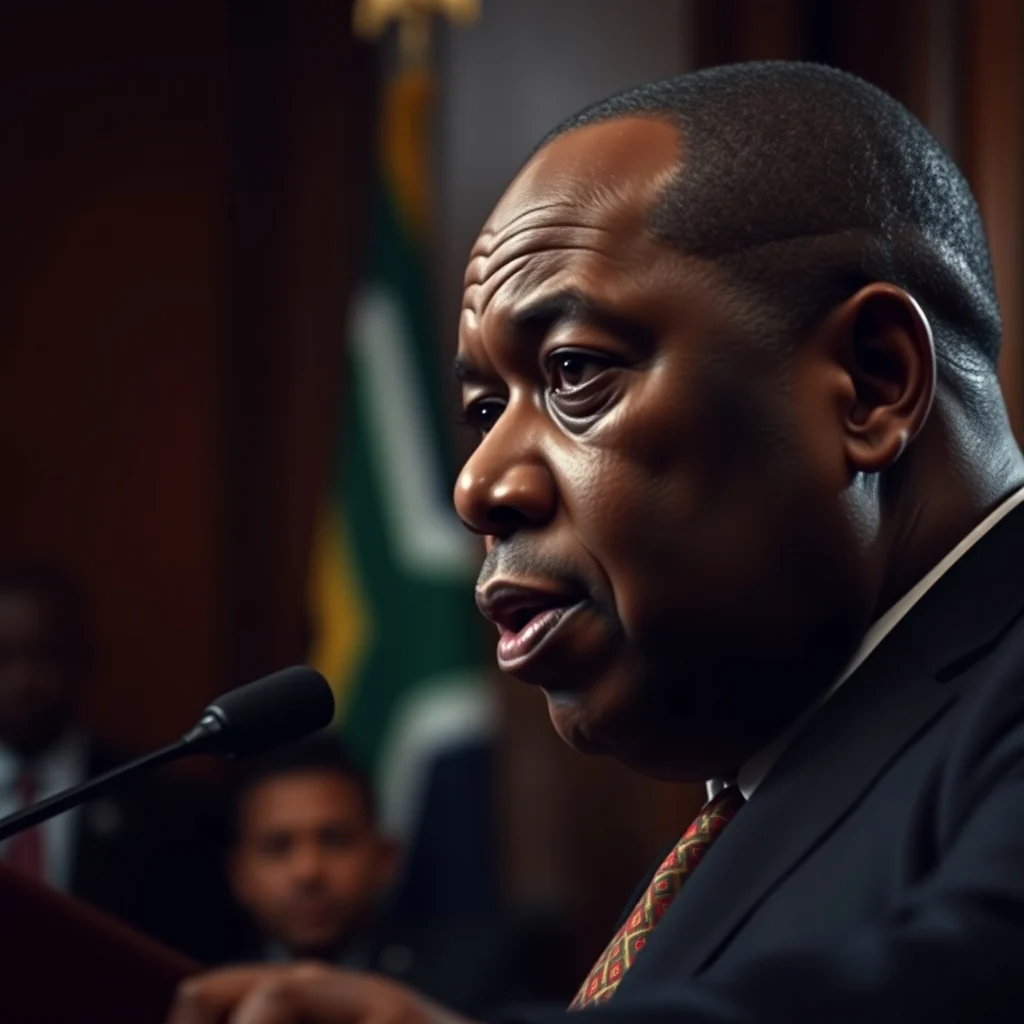
South African President Cyril Ramaphosa declared on Monday that he will not resign and intends to legally challenge a parliamentary report that has opened the door for potential impeachment proceedings against him. The controversy centers on the alleged theft of a large sum of cash from his private game farm, Phala Phala, and a recent Constitutional Court ruling that found parliament acted unconstitutionally in dismissing an impeachment inquiry in 2022.
Phala Phala Scandal Re-emerges
The scandal, dubbed the “Phala Phala affair,” involves an incident where thousands of dollars were reportedly stolen from furniture at Ramaphosa’s Phala Phala game farm. An independent panel previously found prima facie evidence suggesting the president may have committed serious misconduct in his handling of the aftermath.
Ramaphosa has consistently denied any wrongdoing, asserting that the money in question originated from legitimate sales of buffalo from his farming business. He has maintained that the matter was handled appropriately and that no laws were broken.
Constitutional Court Ruling Revives Impeachment Path
Last week, South Africa’s Constitutional Court delivered a ruling that revived the impeachment process. The court determined that parliament’s previous decision to dismiss the matter without further examination was unconstitutional. This ruling mandates that the impeachment process, as outlined in the parliamentary report, should be pursued.
The report, which the president now plans to challenge, would serve as the foundation for opposition parties seeking to remove him from office through parliamentary impeachment proceedings.
Ramaphosa’s Legal Challenge
President Ramaphosa announced his intention to seek a judicial review of the report. He argues that the report is based on hearsay evidence and does not meet the threshold for initiating such serious proceedings. His legal team is expected to file papers seeking to have the report reviewed and set aside by the courts.
This legal maneuver aims to preempt or halt the parliamentary impeachment process before it can gain momentum. By challenging the validity of the report itself, Ramaphosa’s administration seeks to invalidate the basis for the impeachment inquiry.
Expert Analysis and Political Ramifications
Political analysts suggest that while Ramaphosa may likely survive a parliamentary vote to impeach him, the legal challenge could be strategically designed to avoid a protracted and damaging impeachment hearing. Such a hearing could significantly harm his reputation and his political legacy.
Professor Richard Calland, a political analyst, commented that the president’s survival in a parliamentary vote is probable. However, he noted that the primary goal of the legal challenge might be to circumvent a public spectacle that could tarnish the president’s image and the standing of his administration.
Looking Ahead
The coming weeks will be critical as President Ramaphosa’s legal team prepares its challenge to the parliamentary report. The courts’ decision on whether to review or set aside the report will dictate the immediate future of the impeachment proceedings. Meanwhile, opposition parties are expected to continue their efforts to hold the president accountable, setting the stage for a significant political and legal battle in South Africa.








Leave a Reply