
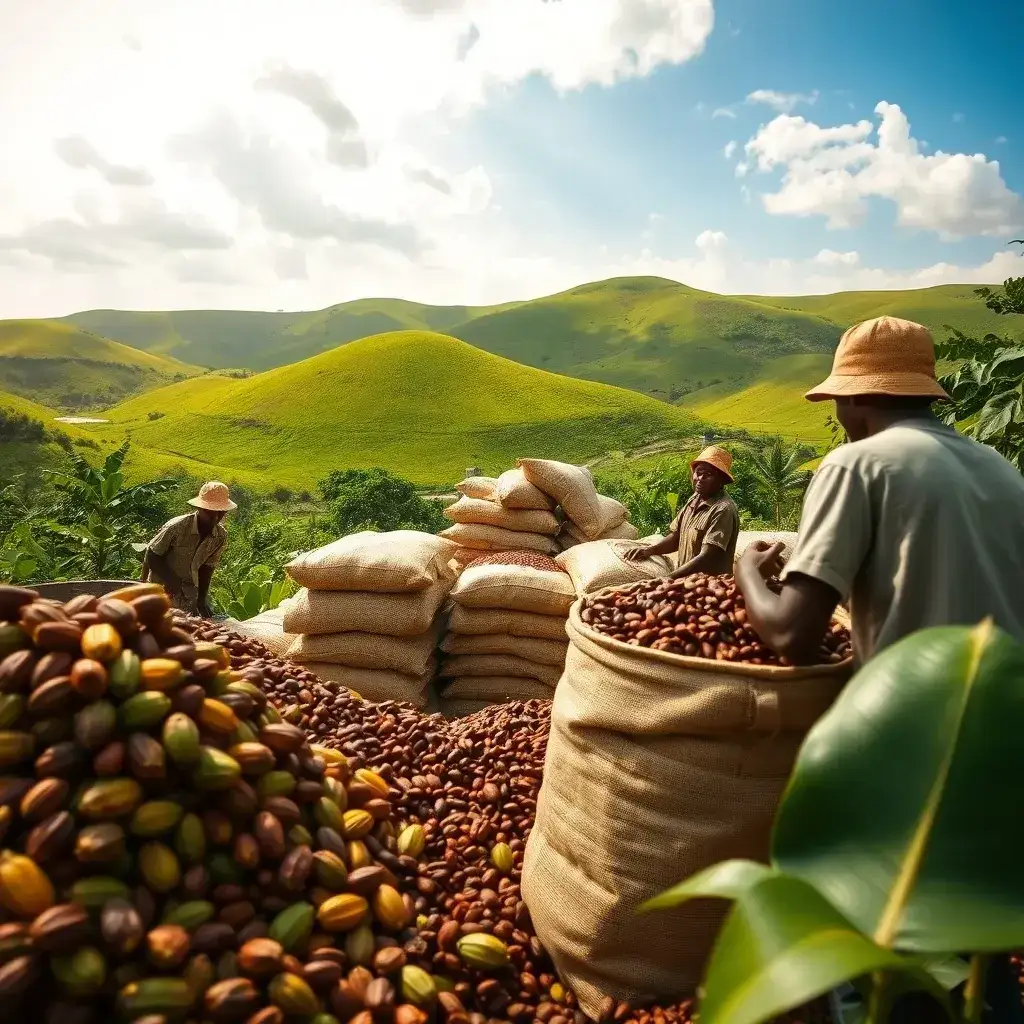
Ghana, the world’s second-largest cocoa producer, is set to issue approximately $1 billion in local bonds starting in July to finance cocoa bean purchases for the 2026-27 harvest season. This move signals a strategic shift towards domestic capital markets to fund the crucial agricultural sector.
Context: Rebuilding a Vital Sector
The West African nation is implementing this bond plan as part of its broader strategy to revitalize its cocoa industry. This comes after a period of challenges, including a reduction in the farmgate cocoa price earlier in 2026. The government aims to establish a system where cocoa purchases are financed within the same crop year, with repayments directly linked to sales proceeds.
This initiative is a critical test for Ghana’s ability to transition its cocoa financing away from reliance on foreign loans and towards its own burgeoning capital markets. Such a shift could significantly reduce the country’s exposure to foreign currency fluctuations and grant the Ghana Cocoa Board (Cocobod) greater autonomy in managing farmer payments.
Industry Concerns and Market Appetite
The success of Ghana’s $1 billion cocoa bond hinges on the appetite of local investors. Many domestic investors are still navigating the aftermath of Ghana’s sovereign debt restructuring and recent stresses within the financial system. The government must offer a compelling return on these cedi-denominated bonds to attract sufficient capital without unduly increasing the cost of the cocoa financing system.
Industry observers note that the timing of these issuances is crucial. Ghana needs to ensure timely payments to farmers, maintain stable cocoa supplies, and uphold the confidence of global buyers. The bond plan is structured with three tranches of roughly $330 million each, with staggered issuances planned for mid-July, December, and March 2027. Cocobod intends to fully repay each tranche before the subsequent one is issued.
Potential Implications and Future Outlook
If the bond issuance proves successful, it could establish a new, sustainable model for financing the cocoa sector across Africa. This would demonstrate a capacity for regional self-sufficiency in funding key agricultural commodities. However, weak demand could compel Ghana to continue relying on foreign lenders or seek emergency financial support to ensure the smooth flow of cocoa from farm to market.
The government’s objective is to create a more resilient and domestically controlled cocoa financing mechanism. This strategy aims to mitigate risks associated with external debt and currency volatility, thereby bolstering the long-term health of one of Ghana’s most important economic pillars. The coming months will be critical in assessing whether Ghana’s domestic investors are ready and willing to support this ambitious financial undertaking.










Leave a Reply