
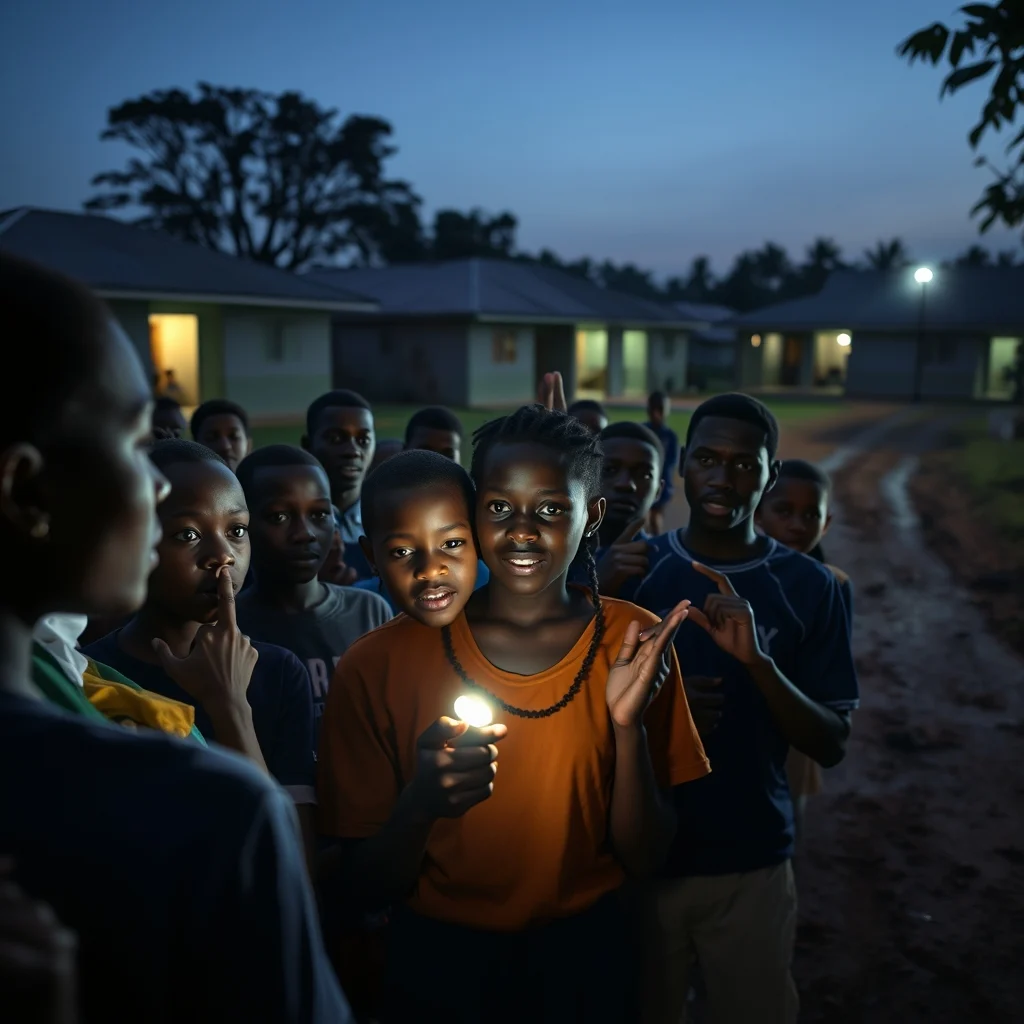
Students at the Bechem School for the Deaf and Blind in Ghana’s Ahafo region are urgently appealing for an alternative power supply, citing frequent electricity outages that severely impede communication and mobility. The plea, made on Tuesday to government officials and corporate leaders, highlights how blackouts leave hearing-impaired students in total darkness, preventing them from using sign language and navigating the campus safely.
Unique Communication Barriers During Blackouts
The Senior Prefect, Bajiki Kofi Gidalty, described the dire situation during a recent gathering. “We cannot see anything, let alone communicate among ourselves or move about once night falls during power outages,” he stated. “In the dormitories and classrooms, we are completely stranded.”
Students are requesting high-capacity generators or solar energy systems to ensure consistent lighting, which is crucial for both safety and continuous communication. This need for reliable power is paramount for an institution that educates students from over six regions across Ghana.
Beyond Power: Broader Infrastructure Needs
The power crisis is just one of several significant hurdles facing the school. Its only bus has broken down beyond repair, preventing students from attending inter-regional academic events and vocational training excursions, despite a growing student population. This lack of transportation limits their exposure to broader educational opportunities and skill development.
Furthermore, the campus roads are unpaved, leading to dusty conditions in the dry season and muddy paths during the rainy season. These environmental challenges pose considerable health and safety risks to the students.
Existing dormitories for both boys and girls are also experiencing severe congestion. The school administration is calling for the construction of additional blocks to accommodate the increasing number of students, ensuring adequate and safe living conditions.
Technological Advancement and Academic Excellence
To maintain its competitive edge and provide a modern education, the school is also appealing for crucial Information Communication and Technology (ICT) tools. This includes laptops, digital writing boards, and specialized electronic devices designed for special needs education, which are vital for effective learning and skill acquisition.
Established on January 3, 1969, with just 14 students, the Bechem School for the Deaf and Blind has grown into a leading institution in the Tano South Municipality. It boasts a strong record of academic achievement, evidenced by its excellent Basic Education Certificate Examination (BECE) results, and has garnered presidential honors for its academic excellence.
The school offers a comprehensive educational program, encompassing primary, junior high, and technical sections. Its vocational wing provides NVTI-certified training in carpentry, metalwork, and fashion design, equipping students with valuable skills for future self-reliance and employment.
Protecting a Legacy of Achievement
Despite its numerous successes and contributions to special needs education in Ghana, the students fear that the persistent lack of basic amenities like reliable power, transportation, and adequate infrastructure could tarnish the school’s long-standing reputation. They are now directing their appeals to regional authorities, the central government, and benevolent organizations for immediate intervention to address these critical needs.
The situation at Bechem School highlights the ongoing challenges faced by special needs educational institutions in securing adequate resources. The coming months will be crucial in determining whether these appeals translate into tangible support, ensuring that students with disabilities continue to receive the quality education and safe environment they deserve.










Leave a Reply