
Ghana’s ambitious 24-Hour Economy initiative, designed to boost local manufacturing and reduce imports, faces a significant hurdle not in production, but in consumer preference, as Ghanaians often prioritize imported goods for their perceived status over local alternatives. This consumer behavior, detailed in an analysis by development economist Dr. Godwin Nutsugah, threatens the success of the manufacturing arm, MAKE24, by potentially leaving newly produced local goods unsold.
The Promise and the Problem
The 24-Hour Economy aims to create more jobs and increase factory output by encouraging production around the clock. A key objective is to curb Ghana’s substantial import bill, which stood at approximately US$2 billion for food alone in 2024. Currently, Ghana’s manufacturing sector contributes less than 12% to its GDP, with factories operating at roughly 42-46% capacity, far below the targeted 85%.
MAKE24, the program’s manufacturing component, is intended to localize the production of goods currently imported, thereby stimulating the domestic economy and creating employment. However, the success of this initiative hinges on whether Ghanaian consumers are willing to purchase locally made products.
The Status Symbol of Imports
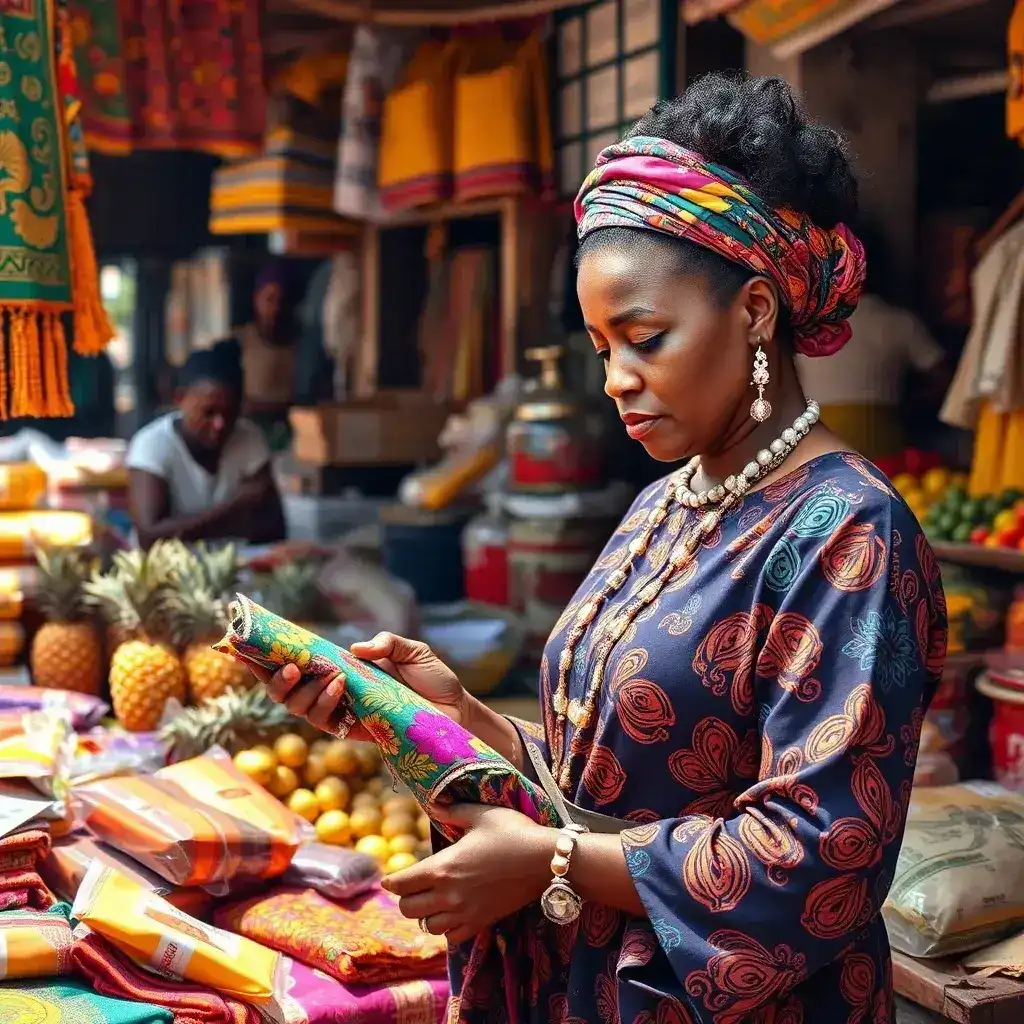
Dr. Nutsugah highlights that Ghanaian purchasing decisions are often influenced by more than just utility; they are tied to social signaling. Imported items, from juice brands at weddings to Dutch wax prints (Aburokyire ntoma) at funerals, or foreign labels on school bags, carry a distinct prestige. Even when local alternatives are of equal or superior quality, they frequently lack the aspirational appeal of their imported counterparts.
This consumer preference is particularly challenging because the 24-Hour Economy initiative itself aims to increase incomes. As incomes rise, the analysis suggests, consumers are likely to increase their consumption of prestige imports rather than shifting towards local goods, creating a paradox where increased local production could lead to unsold inventory.
Beyond Tariffs: Shifting Consumer Mindsets
While imposing tariffs on imports might seem like a straightforward solution, it is presented as an ineffective and potentially harmful approach. Such measures can penalize consumers, encourage smuggling, strain international trade relations, and crucially, fail to address the underlying belief that imported goods are inherently superior.
The real solution, according to the analysis, lies in winning over the consumer’s perception and building prestige around Ghanaian products, rather than solely focusing on their price or utility.
Strategies for Building Local Prestige
The analysis proposes three key government-led strategies to shift consumer behavior:
Firstly, conducting thorough consumer research before initiating production is crucial. Understanding whether a localized product will be perceived as a genuine substitute or a downgrade is essential for ensuring market acceptance. Production decisions should be evidence-based rather than assumption-driven.
Secondly, the government must actively manufacture prestige around local goods, not just the products themselves. Public figures, government appointees, and influencers can play a pivotal role by deliberately associating themselves with Made-in-Ghana products in their public appearances. Historical examples, such as the continued relevance of Kente due to its association with the Asantehene, the impact of President Mahama wearing a Fugu (smock) on a state visit, and the surge in demand for Kalypo after Nana Akufo-Addo was seen with it, demonstrate the power of such endorsements.
Thirdly, significant investment in branding, certification, and the narrative behind local products is necessary. Packaging, quality marks, and traceability systems can provide the subtle signals needed to assure skeptical consumers of a product’s quality and origin.
The Consumer as the Ultimate Arbitrator
The success of the 24-Hour Economy, and specifically the MAKE24 initiative, will ultimately be determined not on the factory floor, but at the point of sale. The choice a Ghanaian consumer makes between an imported item and a locally produced one will be the deciding factor.
While building factories is a necessary step, fostering the prestige and desirability of Ghanaian-made goods is equally, if not more, critical. Without this shift in consumer perception, the initiative risks creating a scenario where Ghana continues to produce locally while simultaneously maintaining a high volume of imports, undermining its core economic goals.
Looking Ahead
The focus now shifts to how effectively these strategies can be implemented to bridge the perception gap between imported and local goods. The willingness of Ghanaian consumers to embrace and champion ‘Made in Ghana’ products will be the true test of the 24-Hour Economy’s sustainability and long-term impact on the nation’s economic self-reliance.










Leave a Reply