
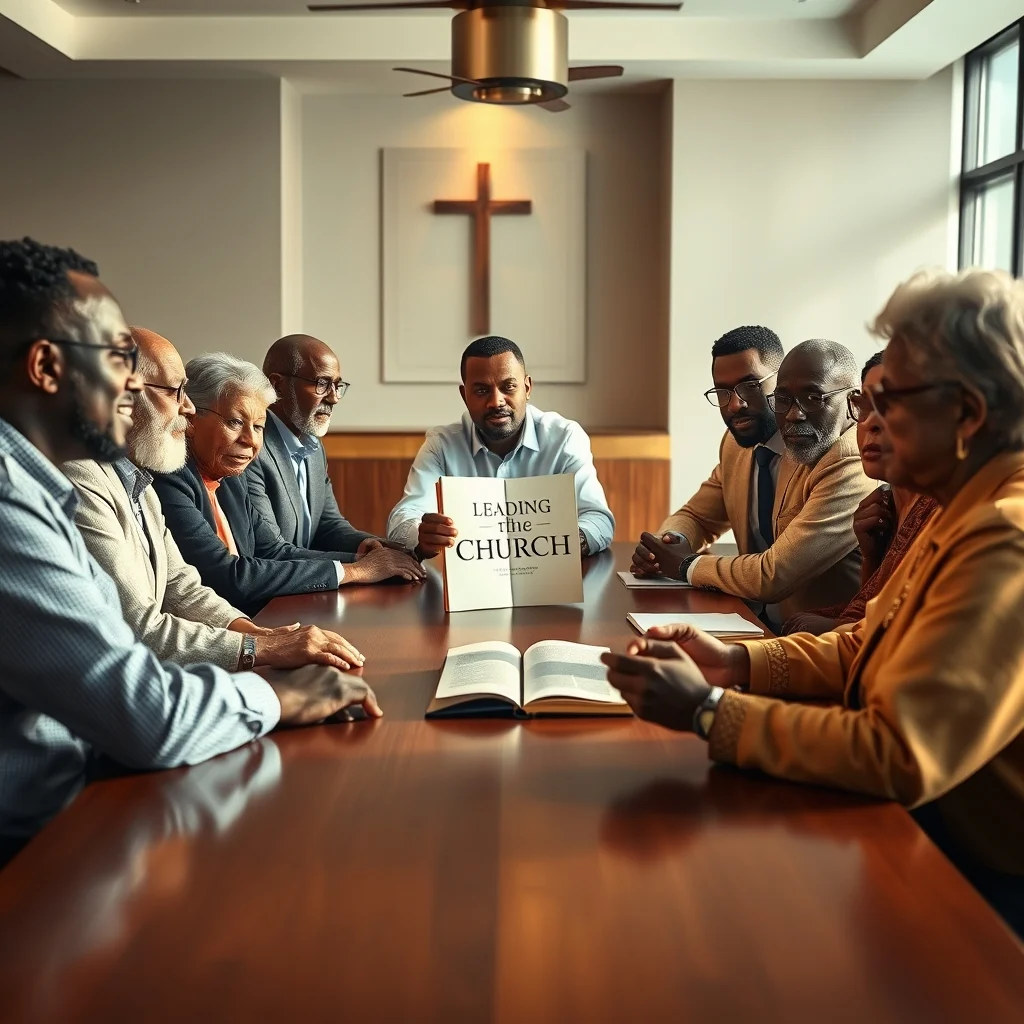
Pastor, teacher, and author Mensa Otabil has released his latest book, ‘Leading the Church,’ aiming to provide pastors and church leaders with a crucial framework for establishing robust governance and ensuring smooth leadership transitions. The book, launched recently, identifies a common challenge in “new and emerging churches” – a stage defined not by age, but by the absence of leadership succession beyond a founding figure.
Defining “New and Emerging Churches”
Otabil clarifies that a church’s maturity is intrinsically linked to its leadership development, particularly its ability to transition power beyond a dominant founder. He posits that prolonged leadership without a structured succession plan can impede institutional stability and delay overall maturity.
“A new and emerging church is not just about age… it is a church that has not yet transitioned leadership beyond its dominant leader,” Otabil stated.
Historical Perspective on Church Governance
Drawing on the 2,000-year history of Christianity, Otabil emphasizes that even churches approaching their 50th anniversary are relatively young. He stresses the necessity for intentional system-building to ensure longevity and sustainability beyond the current generation of leaders.
Drawing from his own experience as a church founder, Otabil highlights the indispensable role of clearly defined governance structures. These include established decision-making processes, delineated leadership roles, and robust accountability systems.
Exploring Governance Frameworks
In ‘Leading the Church,’ Otabil delves into the historical evolution of church governance, tracing its roots from Jesus Christ and the early apostles through various historical periods. This includes the early church, the patristic era, the medieval period, the Protestant Reformation, and the subsequent Pentecostal and charismatic movements.
The book further examines three primary governance frameworks: Episcopal, Presbyterian, and Congregational. Otabil notes that many contemporary churches often adopt hybrid models, adapting these traditional structures to their specific contexts and needs.
“If you want to build a church that lasts, then governance is critical — and it must be rooted in a deeply historical Christian perspective,” he asserts. The book is positioned as a foundational resource for ministry leaders, pastors, and administrators seeking to cultivate resilient institutions capable of sustained growth and effective leadership transitions.
Availability and Ongoing Commitment
‘Leading the Church’ is currently available at Altar Bookshop and online through Amazon. This release underscores Otabil’s ongoing dedication to equipping church leaders with practical tools essential for strengthening governance and fostering churches that thrive across generations.










Leave a Reply