

Accra, Ghana – Lawyer and Senior Vice President of IMANI Africa, Kofi Bentil, asserted on JoyNews’ Newsfile on Saturday, May 2, that Ghana’s persistent energy sector challenges stem primarily from political interference rather than a failure of technical leadership. He argued that excessive political involvement in inherently technical decisions has undermined the nation’s power sector, leading to its current state.
Context of Ghana’s Energy Sector
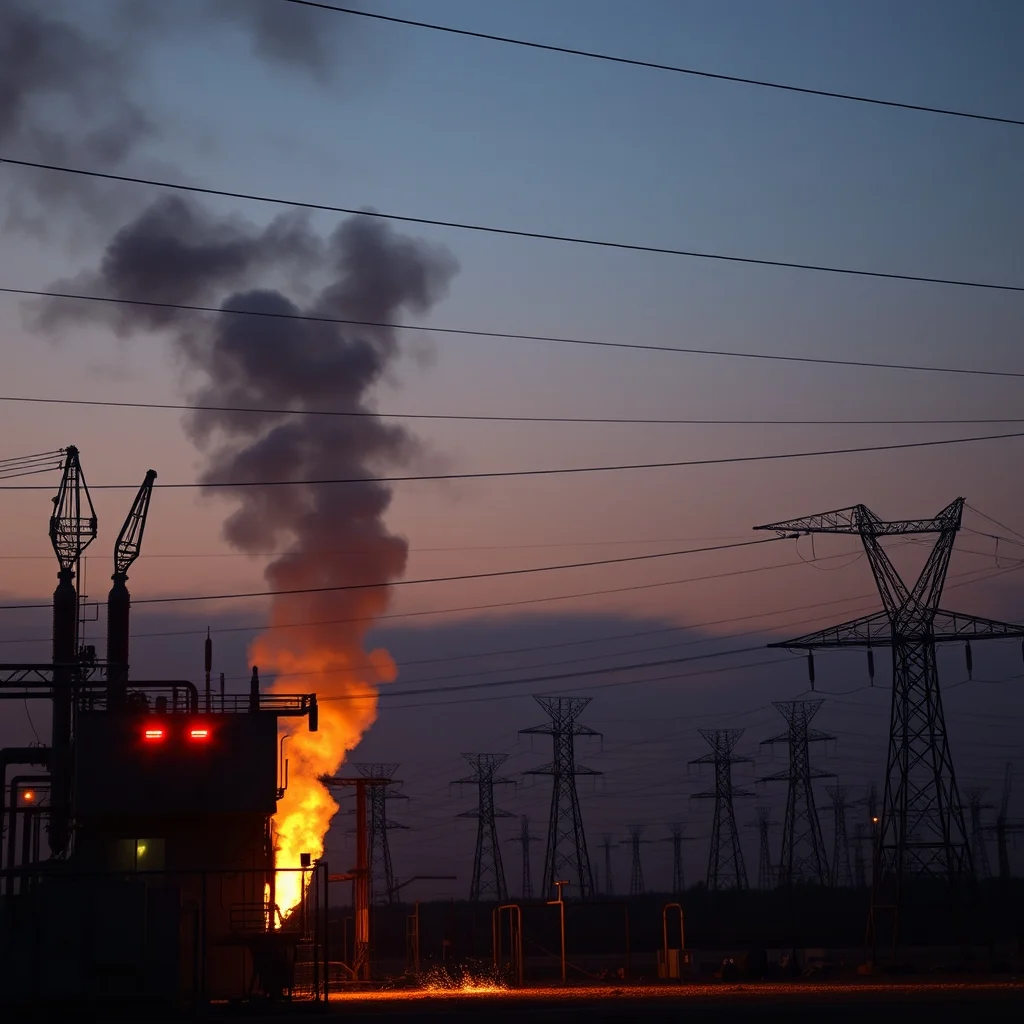
Ghana has a history of grappling with power supply issues, often referred to as ‘dumsor’ (a Twi word meaning ‘off and on’). These challenges have periodically disrupted economic activities and daily life for citizens. Recent events, including a fire incident at the Akosombo Dam that affected power distribution in several regions, have reignited national discussions about the sector’s stability and management.
The Argument Against Leadership Failure
Bentil contends that the country’s energy problems are solvable if the sector is managed professionally and shielded from political meddling. He emphasized that Ghana’s energy system possesses the inherent capacity to function effectively when skilled professionals are allowed to operate without undue external pressure.
“The engineers at VRA have proven that if you leave them alone, if you give them the right leadership, there is almost nothing they can’t do,” Bentil stated, highlighting the competence of the technical teams within state institutions like the Volta River Authority (VRA).
Politicization and Financial Attractions
The senior IMANI Africa official further characterized the energy sector as highly politicized and financially lucrative. These dynamics, he warned, continue to distort management practices and compromise sound decision-making processes. The allure of financial gains within the sector can incentivize decisions that may not align with long-term energy security or efficiency.
Call for Structured Governance Reforms
In light of these observations, Bentil called for a more structured and rational approach to energy governance in Ghana. He advocated for reforms designed to ensure greater stability within the sector and significantly reduce the frequency and duration of power outages.
Expert Perspectives and Data
Bentil’s remarks align with broader concerns raised by energy analysts and civil society organizations regarding the impact of political influence on public utility management in Ghana. While specific data on the extent of political interference is difficult to quantify, anecdotal evidence and historical patterns suggest a recurring theme of politically motivated appointments and project approvals that may not always prioritize technical merit or economic viability.
The Ghana Energy Commission, the regulatory body, has often faced pressure to balance policy directives from the government with the need for independent technical regulation. Sources within the sector, speaking anonymously, have indicated that securing necessary approvals for power projects or tariff adjustments can be subject to political considerations.
Implications for the Reader and Industry
For ordinary Ghanaians, the implications of continued political interference are tangible: unreliable power supply, increased cost of living due to reliance on alternative energy sources like generators, and a dampening effect on economic productivity. Businesses, particularly small and medium-sized enterprises, are disproportionately affected by power outages, hindering growth and job creation.
For the energy industry, it means a lack of predictable policy environments, which deters long-term investment. International investors often look for stability and transparency when considering capital-intensive projects like power generation and transmission infrastructure. A politicized sector signals higher risk, potentially leading to increased financing costs or a reluctance to invest altogether.
Looking Ahead
The debate initiated by Bentil’s comments underscores the urgent need for Ghana to consider structural reforms that can insulate its critical energy sector from the vagaries of political cycles. Stakeholders will be watching closely to see if there is a concerted effort to implement policies that empower technical experts, ensure transparent procurement processes, and foster an environment where energy infrastructure development is driven by national needs and sound engineering principles, rather than political expediency. The long-term health and reliability of Ghana’s power supply hinge on addressing these systemic governance issues.








Leave a Reply